
Category: Medications - Page 3
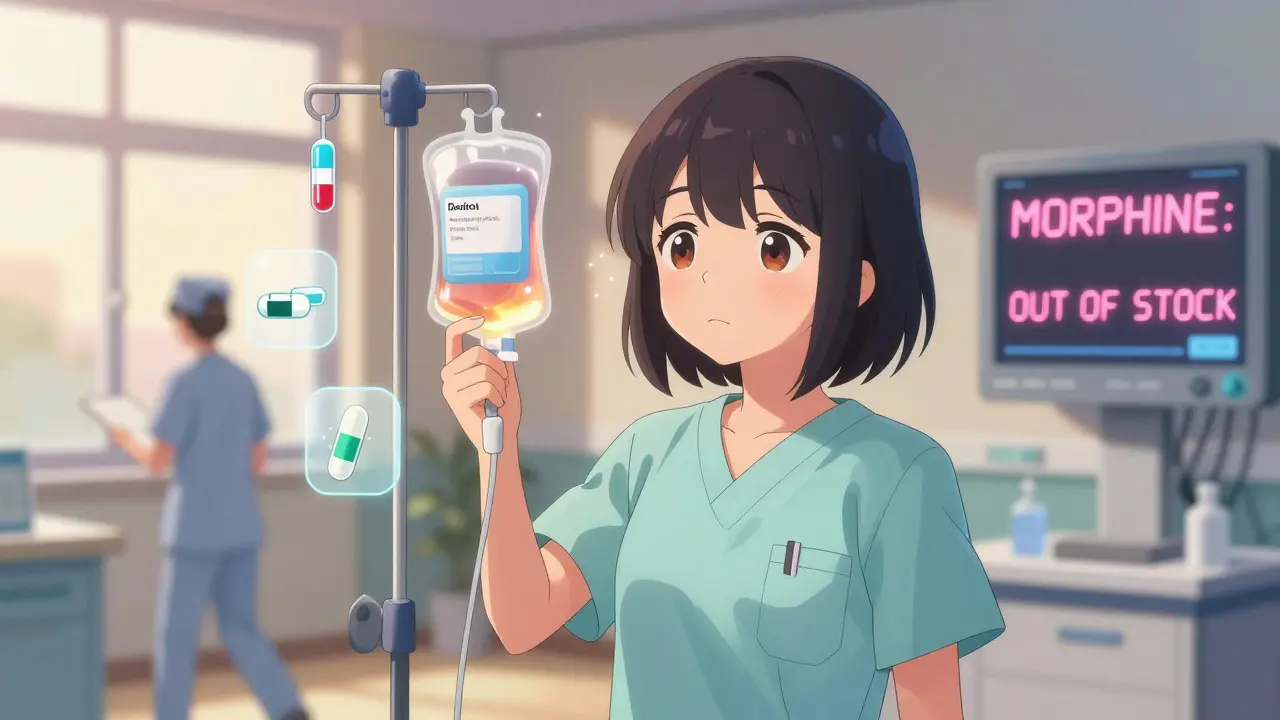
Medication Shortages: How to Manage When Drugs Aren’t Available
Medication shortages are worsening, with generic injectables like morphine and saline running out for months. Learn how hospitals are managing, why the system fails, and what real solutions are working today.
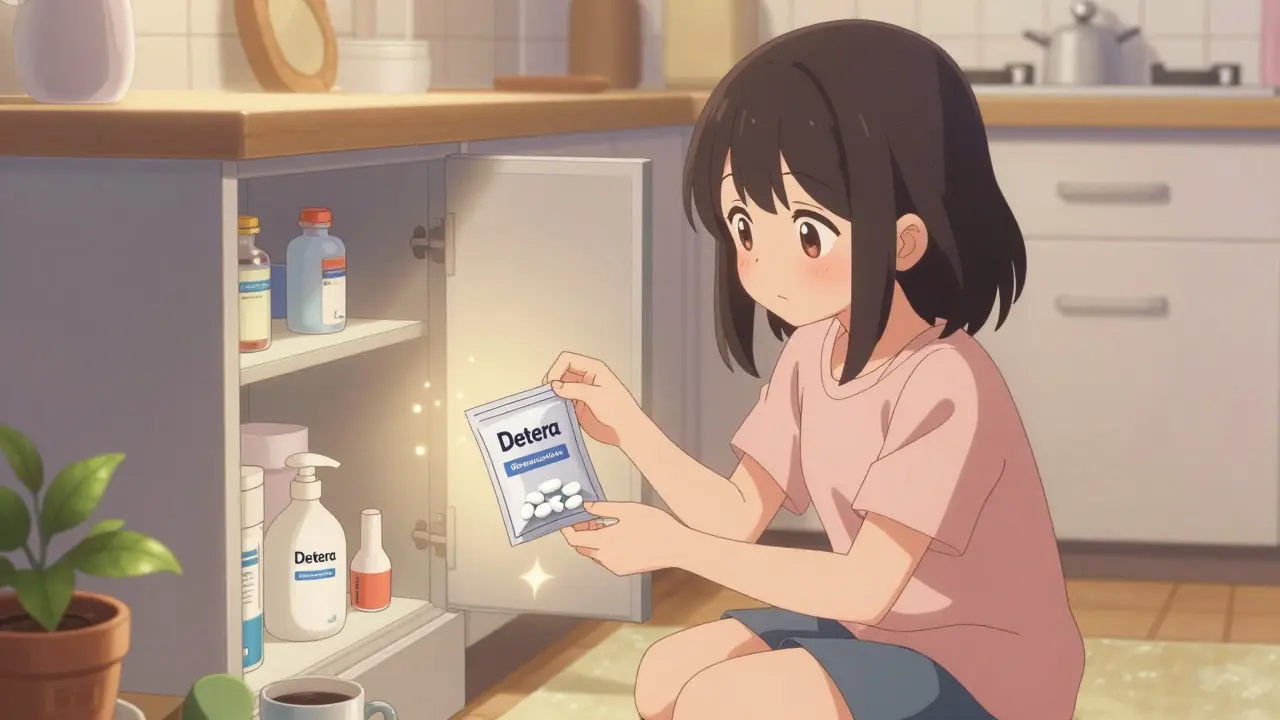
How to Safely Dispose of Unused Opioids to Prevent Misuse and Overdose
Learn how to safely dispose of unused opioids to prevent misuse and overdose. Discover the best methods-take-back programs, deactivation pouches, household disposal, and when flushing is allowed.
Topical Antihistamine Eye Drops: Side Effects and Proper Use
Topical antihistamine eye drops offer fast relief for itchy, allergic eyes-but misuse can cause harm. Learn how to use them safely, spot side effects, and know when to see a doctor.
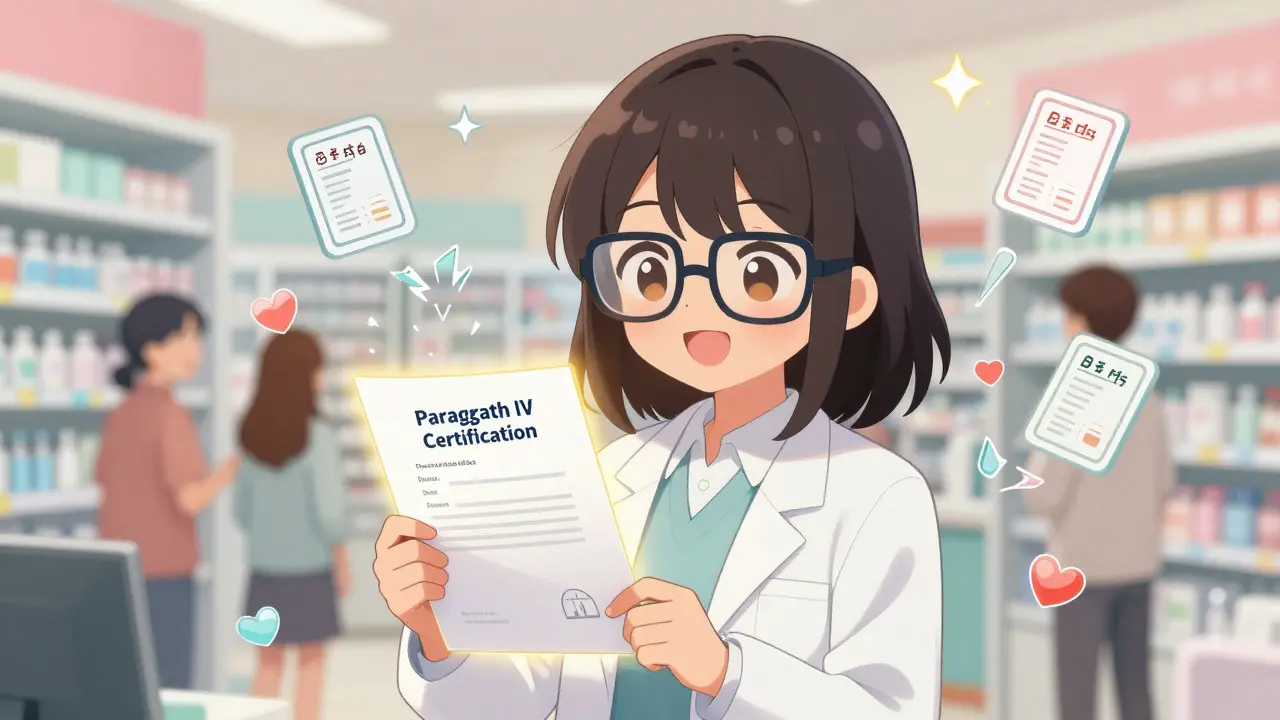
Paragraph IV Certifications: How Generic Drug Companies Challenge Patents Before Launch
Paragraph IV certifications let generic drugmakers challenge brand patents before launch, speeding up access to affordable medicines. Learn how the Hatch-Waxman Act enables this legal battle - and why it's saving billions.
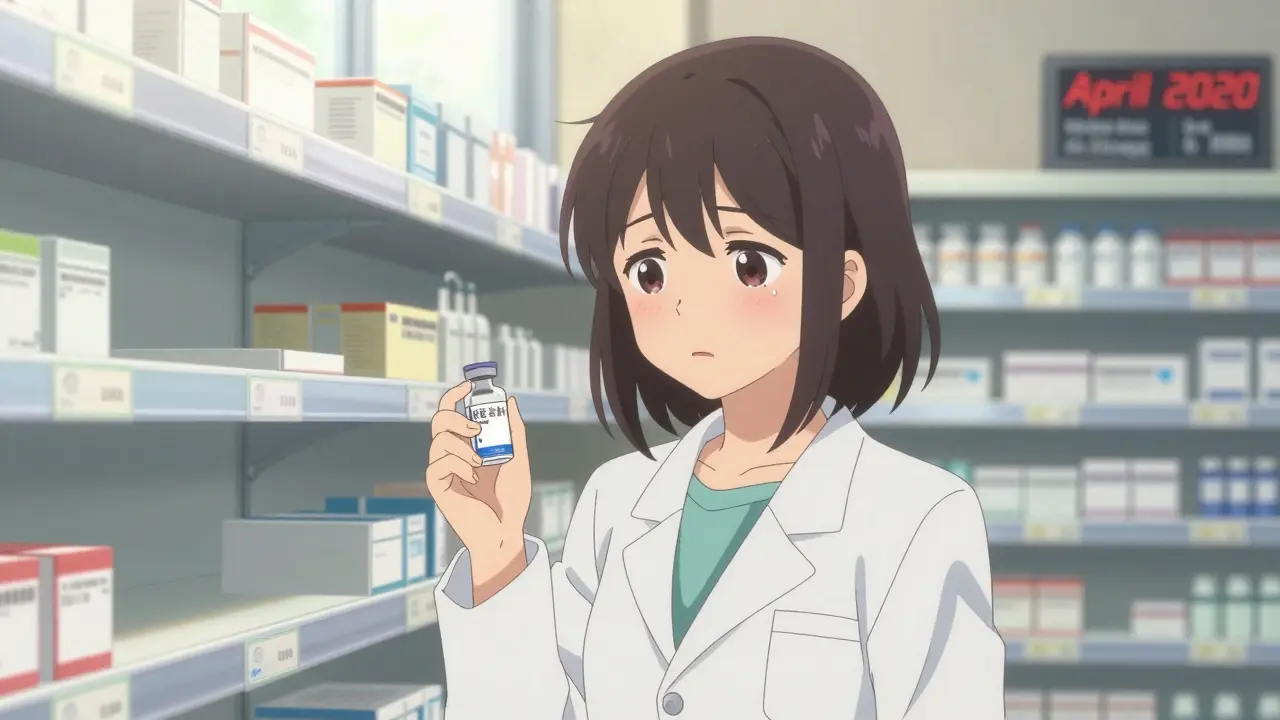
How COVID-19 Disrupted Drug Availability and Why It Still Matters
COVID-19 triggered widespread drug shortages and deadlier illicit drug markets. Essential medications vanished, overdoses surged, and treatment access became uneven. The system didn't break-it was already broken.
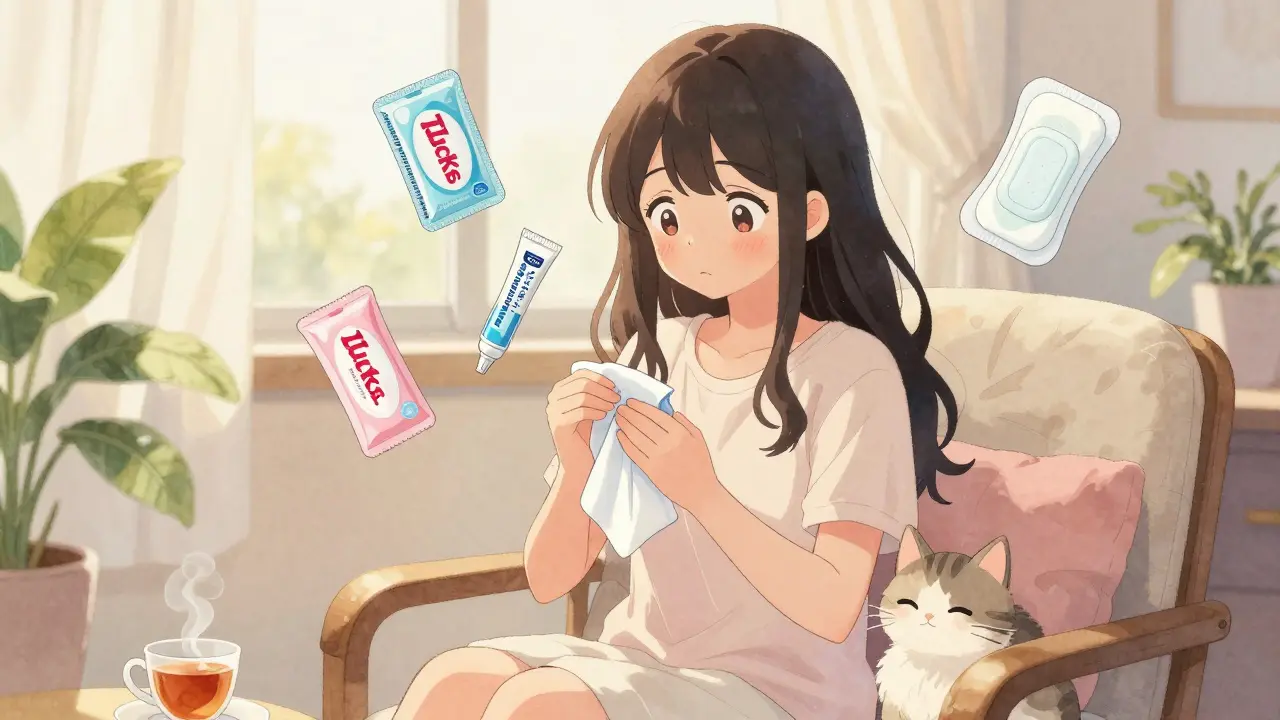
OTC Hemorrhoid Treatments: When to Use Them and When to See a Doctor
OTC hemorrhoid treatments can ease itching and pain, but they don't cure the problem. Learn which products work best, how to use them correctly, and when to see a doctor before symptoms get worse.
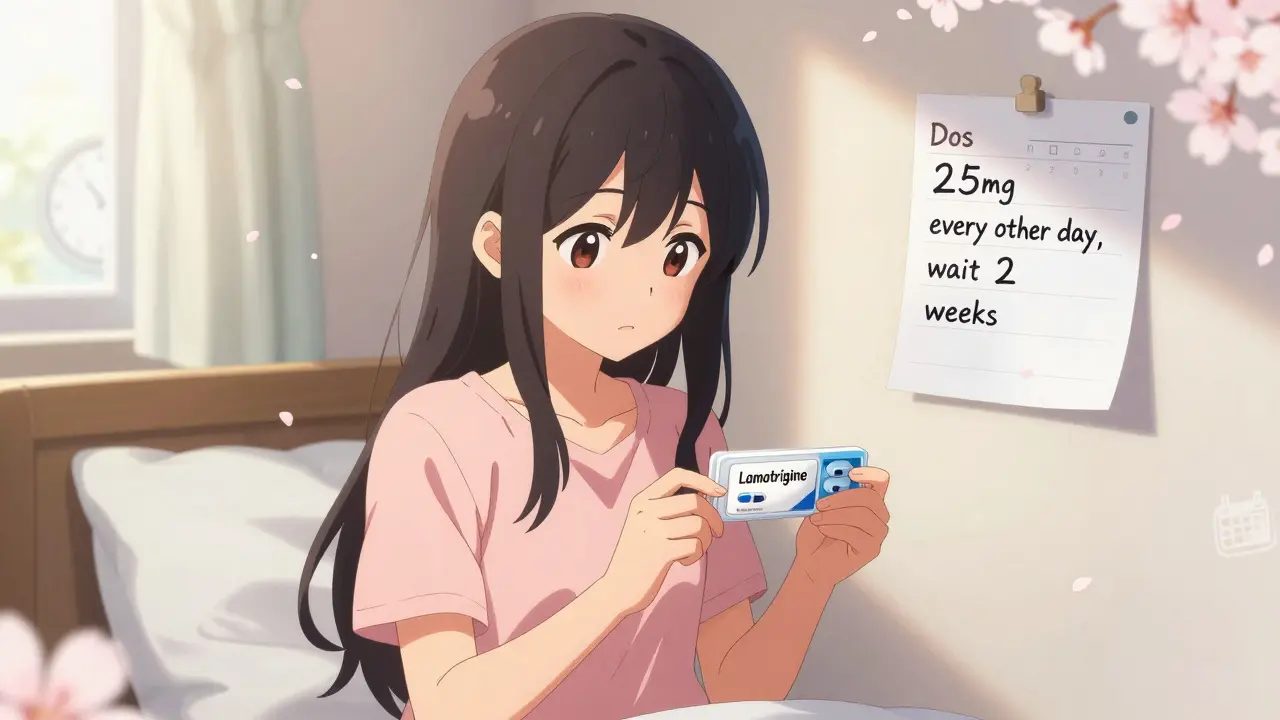
Valproate and Lamotrigine: How to Reduce Rash Risk with Proper Dosing
Valproate and lamotrigine can be used together safely if dosed correctly. Learn the exact protocol to prevent dangerous skin rashes, why timing matters, and what to do if a rash appears.
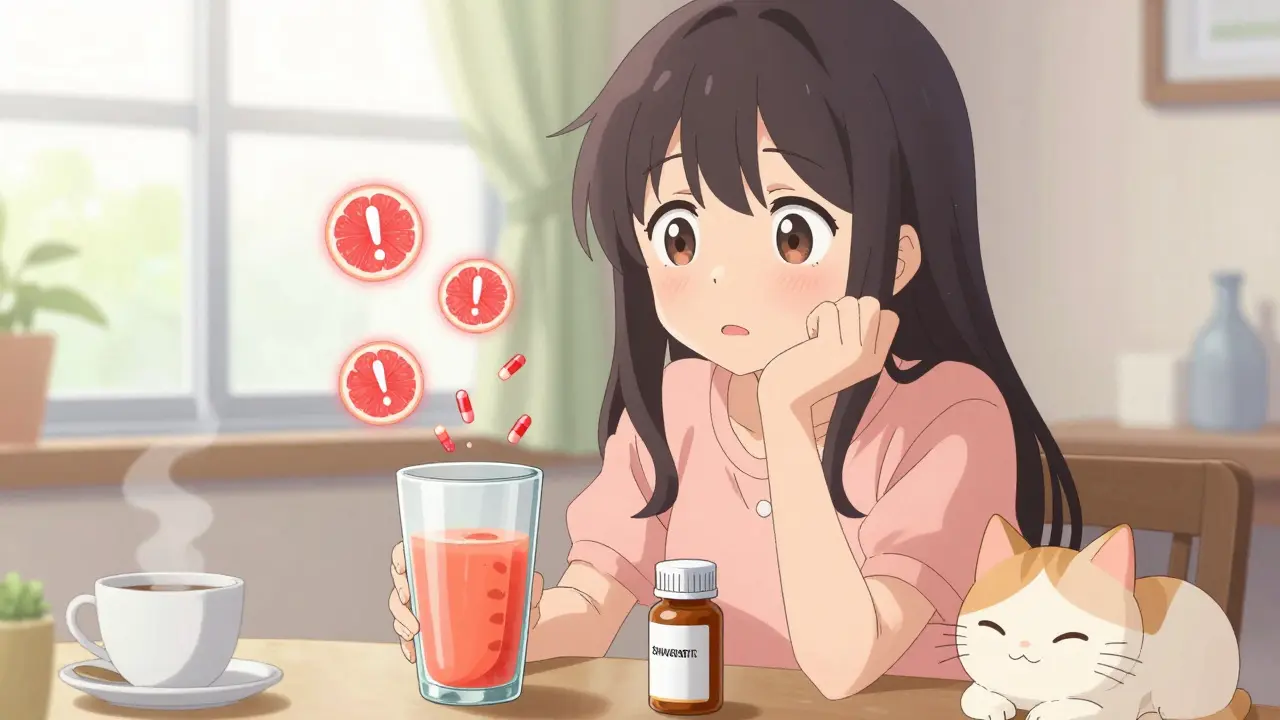
Statins and Grapefruit: Why This Combination Increases Side Effects
Grapefruit can dangerously increase statin levels in your blood, raising the risk of muscle damage and kidney failure. Learn which statins are risky, which are safe, and what to do if you love grapefruit.
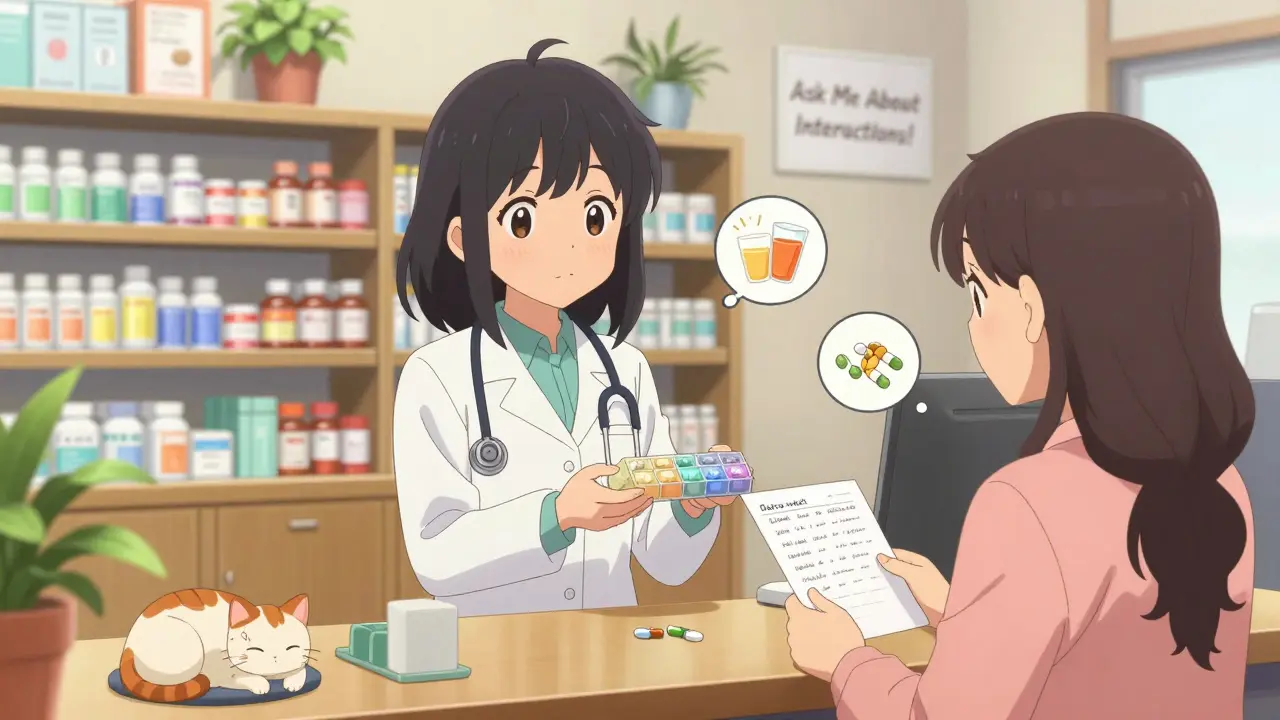
Questions to Ask Your Pharmacist About Potential Drug Interactions
Learn the essential questions to ask your pharmacist about drug interactions to avoid dangerous side effects, reduce emergency visits, and keep your medications working safely - especially if you're taking multiple prescriptions or supplements.
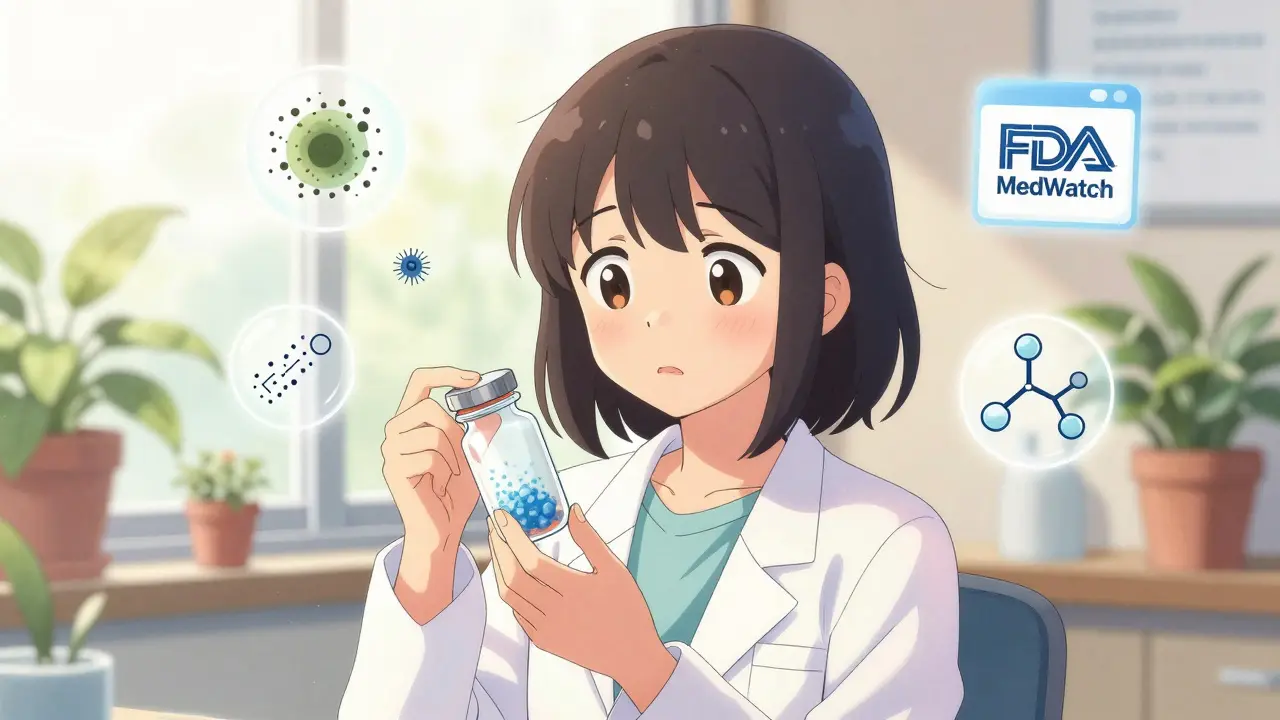
Generic Drug Contamination Risks: How to Prevent and Respond to Unsafe Medications
Generic drugs save money but carry hidden contamination risks from global supply chains. Learn how impurities sneak in, why generics are more vulnerable, and what you can do to protect yourself.