
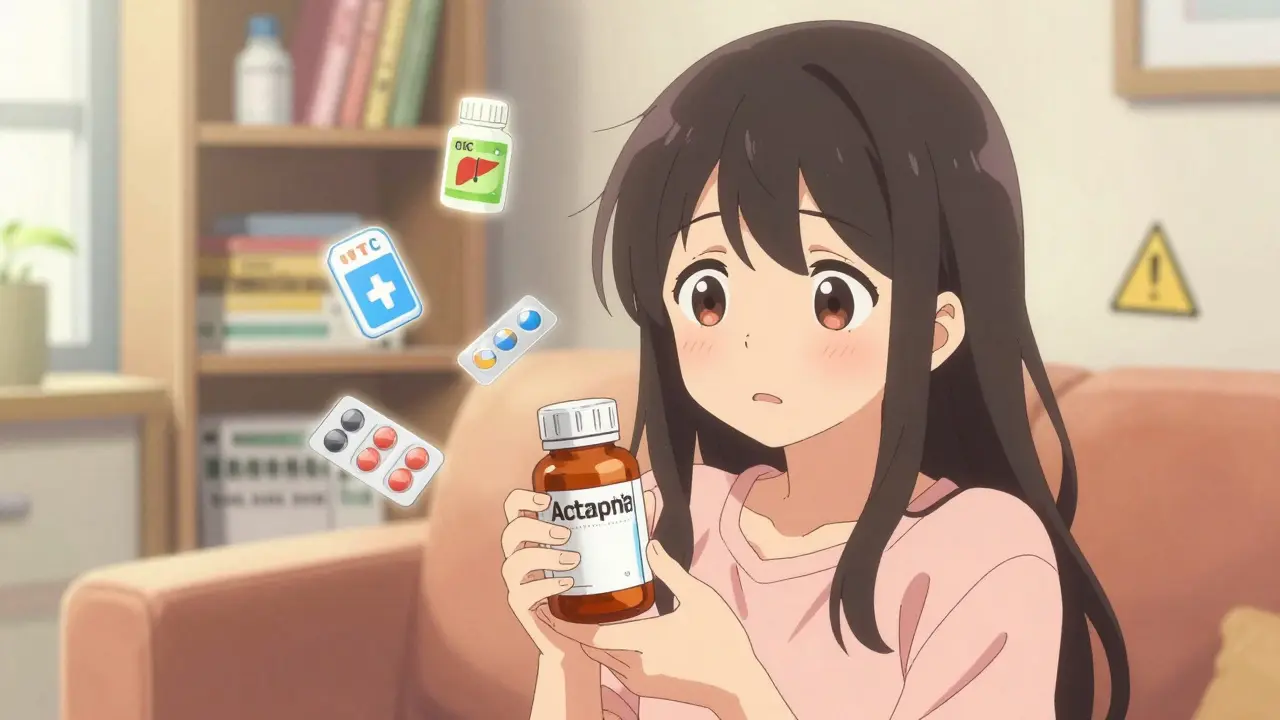
Every year, over 80% of American adults reach for an over-the-counter (OTC) medication before calling their doctor. Whether it’s a headache, runny nose, or heartburn, these pills and liquids are right there on the shelf-no appointment needed. But just because they’re easy to buy doesn’t mean they’re harmless. Many people think OTC means risk-free. It doesn’t. In fact, more than half of all accidental drug overdoses in the U.S. involve OTC medicines. Knowing what’s in those bottles, how to use them safely, and when to stop can make all the difference.
Pain Relievers: Acetaminophen vs. NSAIDs
The most common OTC medications are pain relievers. Two main types dominate the shelf: acetaminophen (Tylenol) and NSAIDs like ibuprofen (Advil, Motrin) and naproxen (Aleve). Both reduce pain and fever, but they work differently-and carry different risks.
Acetaminophen is often the go-to for kids, pregnant people, or those with stomach issues. It doesn’t irritate the gut like NSAIDs do. But it’s hard on the liver. Taking more than 4,000 mg in a day can cause severe liver damage. The FDA estimates 15,000 to 18,000 cases of acute liver failure each year are tied to acetaminophen overdose. And here’s the trap: many cold and flu medicines also contain acetaminophen. If you’re taking more than one product, you might be doubling up without realizing it.
NSAIDs, on the other hand, reduce inflammation. That makes them better for sprains, arthritis, or menstrual cramps. But they raise your risk of stomach bleeding, especially if you’re over 60, take blood thinners, or drink alcohol. Long-term use can also hurt your kidneys. The maximum daily dose for ibuprofen is 1,200 mg for OTC use-don’t push past that unless a doctor says so.
Cold and Flu: What Actually Works
There are dozens of cold and flu products on the shelf, but not all do what they claim. The key is matching the active ingredient to your symptom.
For nasal congestion, pseudoephedrine (Sudafed) works better than antihistamines. But it’s kept behind the pharmacy counter because it can be used to make methamphetamine. You’ll need to show ID and sign a logbook. Dextromethorphan (Delsym) suppresses coughs, but it’s also abused by teens-over 1.2 million ER visits a year are linked to misuse of this ingredient. Guaifenesin (Mucinex) thins mucus, making it easier to cough up. It’s safe for most people, but won’t stop a cough from happening.
Many combination products-like “Cold & Flu Nighttime”-pack in multiple drugs. That’s risky. You might end up taking two antihistamines or too much acetaminophen. Stick to single-ingredient medicines unless you’re sure what each one does.
Allergy Meds: Drowsy vs. Non-Drowsy
Allergy season? You’ve got choices. First-generation antihistamines like diphenhydramine (Benadryl) work fast-but they make you sleepy. That’s fine for a night-time dose, but terrible if you’re driving, working, or caring for kids. Studies show people over 65 who take diphenhydramine for sleep have a 30% higher chance of falling. The FDA doesn’t recommend it for older adults at all.
Second-generation options like loratadine (Claritin), fexofenadine (Allegra), and cetirizine (Zyrtec) are far safer for daily use. They relieve sneezing, itching, and runny nose without the drowsiness. In fact, they’re 90% less likely to cause sedation. Some people still feel a little tired on cetirizine, so try it at home first. Also, don’t use these for more than a few weeks without checking in with a doctor. Long-term use of any antihistamine can mask underlying conditions like nasal polyps or sinus infections.
Heartburn and Digestive Issues
Heartburn is so common that nearly 60 million Americans have it at least once a month. OTC options range from quick fixes to long-term solutions.
Antacids like Tums (calcium carbonate) give fast relief by neutralizing acid. But they’re short-lived and can cause constipation or diarrhea. H2 blockers like famotidine (Pepcid AC) reduce acid production and last longer-good for occasional heartburn. But they don’t heal damage to the esophagus.
Proton pump inhibitors (PPIs) like omeprazole (Prilosec OTC) are the strongest. They’re great for frequent heartburn, but not for daily use beyond 14 days without a doctor’s advice. A 2023 study in JAMA Internal Medicine found that long-term PPI use raises the risk of chronic kidney disease by 20-50%. It also lowers magnesium levels and increases the chance of bone fractures. If you’re taking PPIs for more than a month, ask your doctor if you really need them.
For diarrhea, loperamide (Imodium) slows bowel movements. But if you have a fever or bloody stool, don’t take it. That could mean you have an infection that needs antibiotics, not a stopper. And if you have kidney problems, use lower doses.
Special Populations: Kids, Pregnant People, and Seniors
Not all OTC meds are safe for everyone.
Children under 4 should never get cough or cold medicines. Since 2008, the FDA has warned against it after more than 100 deaths linked to these products in young kids. For older children, use liquid forms and measure with a syringe-not a spoon. Dose by weight, not age.
Pregnant people should avoid NSAIDs after 20 weeks. They can affect fetal kidney development and reduce amniotic fluid. Acetaminophen is the only pain reliever recommended throughout pregnancy. But even that shouldn’t be taken daily for weeks on end. Talk to your OB-GYN before using any OTC medicine during pregnancy.
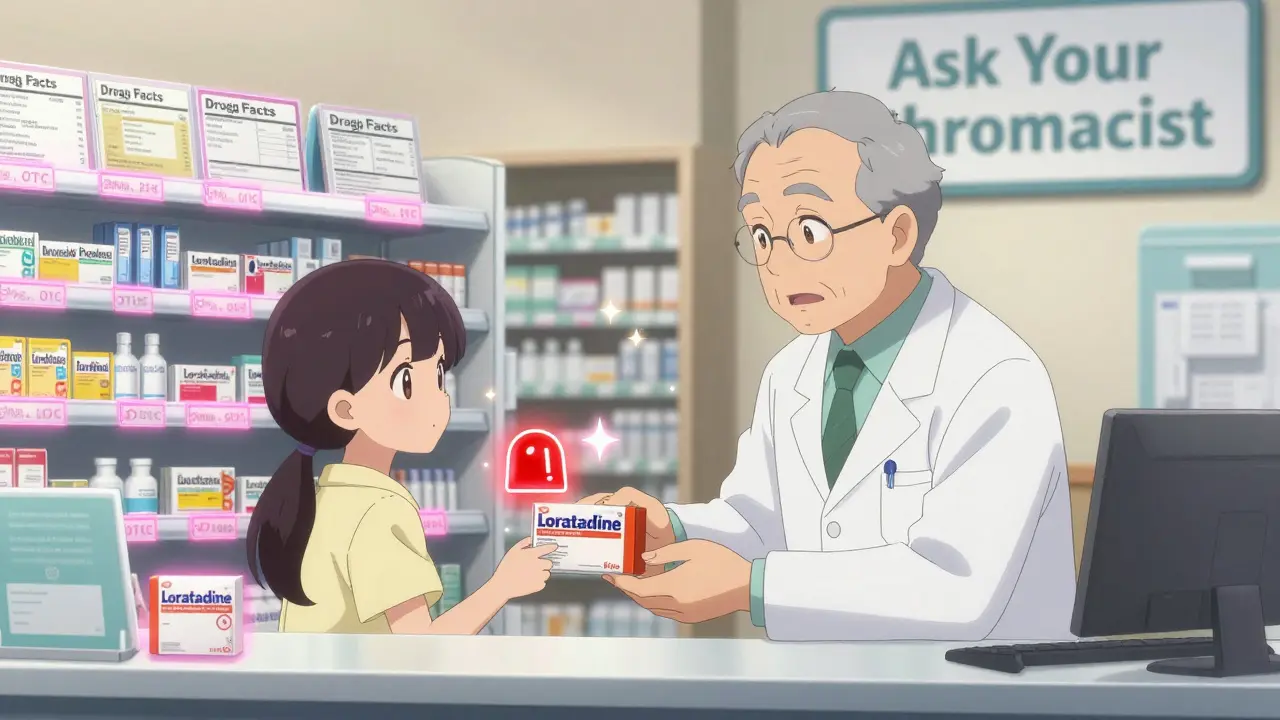
Seniors over 65 are at higher risk for side effects. Many OTC meds are processed slower by aging kidneys and liver. Diphenhydramine, NSAIDs, and even some sleep aids can cause confusion, dizziness, or falls. Always check with a pharmacist before starting a new OTC medicine. Many pharmacies now offer free medication reviews.
When to Stop and See a Doctor
OTC meds are for short-term relief. If symptoms don’t improve-or get worse-stop and call your doctor. Here are red flags:
- Pain lasting more than 10 days
- Fever over 102°F that doesn’t drop after 3 days
- Black, tarry stools or vomiting blood (signs of internal bleeding)
- Swelling in your face, lips, or throat after taking an antihistamine
- Diarrhea lasting more than 48 hours
- Heartburn that returns after stopping PPIs
Also, if you’re taking other prescriptions, check for interactions. For example, NSAIDs can make blood pressure meds less effective. Acetaminophen can be dangerous if you’re on warfarin. A pharmacist can run a quick check for you-no appointment needed.
Storage, Expiration, and Label Reading
Most OTC meds last 2-3 years if stored properly. Keep them away from heat and moisture. Don’t store them in the bathroom. The humidity can break them down. Check the expiration date. Taking expired medicine won’t hurt you, but it might not work.
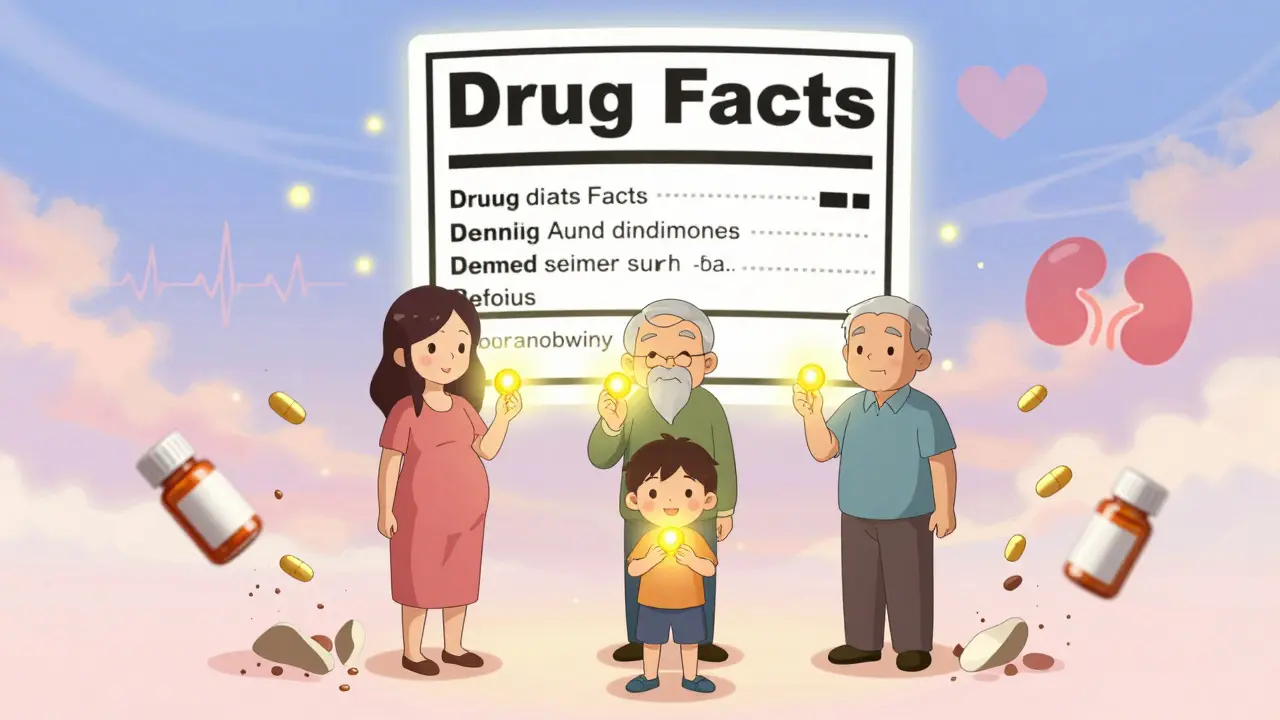
Every OTC bottle now has a standardized Drug Facts label. It’s your best friend. Look for:
- Active ingredient-what’s actually doing the work
- Purpose-what it treats
- Uses-specific symptoms
- Warnings-who shouldn’t take it
- Directions-how much and how often
If you can’t read the label clearly, ask the pharmacist. Don’t guess.
Final Rule: When in Doubt, Ask
There are over 100,000 OTC products on the market. That’s a lot of choices. But you don’t need to be an expert to use them safely. Just follow three simple rules:
- Use only what you need-single ingredients are safer than combos.
- Don’t exceed the dose or duration on the label.
- When symptoms last longer than a week, talk to a professional.
Pharmacists are trained to help with OTC choices. Over 93% of Americans live within five miles of one. Walk in, ask questions, and get advice. It’s free. And it might save you a trip to the ER.
Can I take acetaminophen and ibuprofen together?
Yes, if you need stronger pain relief and your doctor approves. You can alternate them every 3-4 hours, but never exceed the daily maximum for either. For example: 650 mg acetaminophen at 8 a.m., then 200 mg ibuprofen at 12 p.m., then 650 mg acetaminophen at 4 p.m. Keep a log so you don’t double up. Don’t combine them if you have liver or kidney disease.
Is it safe to use OTC meds every day?
Only if the label says so-and even then, for a limited time. Daily use of NSAIDs for more than 10 days can damage your stomach lining. PPIs shouldn’t be used longer than 14 days without a doctor’s order. Antihistamines can mask allergies that need real treatment. If you’re using OTC meds daily, you’re treating a symptom, not the cause. See a doctor to find out why.
What OTC meds are safe during pregnancy?
Acetaminophen is the only pain reliever recommended throughout pregnancy. For heartburn, antacids like Tums are safe in moderation. For allergies, loratadine and cetirizine are considered low-risk. Avoid NSAIDs after 20 weeks, decongestants like pseudoephedrine in the first trimester, and any herbal remedies unless approved by your OB-GYN. Always check with your provider before taking anything.
Can OTC meds interact with my prescriptions?
Absolutely. NSAIDs can reduce the effectiveness of blood pressure meds and increase bleeding risk with blood thinners. Acetaminophen can affect warfarin. Antihistamines can make sedatives stronger. Even common supplements like St. John’s Wort can interfere. Always tell your pharmacist or doctor what you’re taking-OTC and prescription alike.
Why are some OTC meds kept behind the counter?
Some ingredients, like pseudoephedrine, can be used to make illegal drugs. Others, like higher-dose loperamide, have abuse potential. The law requires these to be sold behind the counter so pharmacists can screen customers, limit quantity, and offer guidance. You’ll need to show ID and sign a log, but you won’t need a prescription. This system helps prevent misuse while keeping access for legitimate users.
If you’re unsure about any OTC medicine, don’t take it. Walk into a pharmacy and ask. A pharmacist can help you pick the right one, avoid dangerous combos, and know when to see a doctor. Your health isn’t a guessing game.
just got back from the pharmacy and they showed me how to read the drug facts label-mind blown. i always just grabbed the bottle with the prettiest packaging. turns out i was taking 2 kinds of acetaminophen at once for my cold. oops. thanks for the heads up, this post saved me from a liver disaster 🙏
OMG YES. I used to take 4 Advil at once when my period hit because ‘it’s just OTC’-until I ended up in the ER with a bleeding ulcer. I’m 32 and now I only take 200mg ibuprofen max, and I track it like a spreadsheet. Also, NEVER mix with alcohol. I learned the hard way. 🤦♀️
It’s 2024. People still don’t read labels? You need a PhD just to buy Tylenol now? The fact that we’ve turned pharmacies into drug safety boot camps is a national disgrace. Someone should’ve told these people to stop treating medicine like candy.
Actually, the FDA limit for acetaminophen is 3,000 mg now for chronic users, not 4,000. The 4,000 mg is the old max. Most people don't know this. Also, some generic cold meds have 650mg per tablet now-so 2 tablets = 1,300mg already. You can hit the limit with just 3 doses. This post is mostly right, but sloppy on the numbers.
my grandma takes benadryl every night to sleep. she’s 71. i showed her the study about 30% higher fall risk. she cried. now she uses melatonin and a fan. small win. pharmacists are unsung heroes.
It’s funny how we treat OTC meds like harmless snacks while we’d never hand a child a bottle of prescription pills. We’ve normalized risk because it’s convenient. But medicine isn’t a vending machine-it’s a tool with consequences. The real problem isn’t the drugs, it’s the culture that tells us we can self-medicate our way out of discomfort. Maybe we need to sit with the pain sometimes. Or at least ask why it’s there.
So now we need ID to buy Sudafed but anyone can buy a gun? This country is broken. I’m not some meth cook-I just have a sinus infection. Why am I being treated like a criminal? This is socialism for pills. 🇺🇸
Why are we still letting people use OTC meds like this? This post reads like a public service announcement for people who can’t read. If you need a 2,000-word guide to take a pill, maybe you shouldn’t be taking pills. Just go to the doctor. It’s not that hard.
There’s a deeper question here: why do we feel we need to medicate every discomfort? Headache? Take a pill. Sad? Take a pill. Tired? Take a pill. We’ve outsourced our relationship with our bodies to chemical solutions. Maybe the real issue isn’t the medicine-it’s the fear of feeling.
Just took my first Zyrtec in 5 years after reading this… and I’m crying. Not from allergies. From relief. I didn’t realize how foggy I was until I wasn’t anymore. 🤍 Thank you for this. Someone should turn this into a pamphlet for every pharmacy counter.
As someone who works in healthcare, I appreciate the thoroughness of this post. However, I must emphasize that even ‘safe’ OTC medications require context. A patient’s comorbidities, polypharmacy, and social determinants of health are just as critical as the label. Please don’t treat this as a checklist-treat it as a conversation starter with your provider.
So we’re supposed to trust pharmacists more than doctors? That’s the whole point of this? Next you’ll say we should let Walmart decide our insulin dosage. This is the slow erosion of medical authority. You don’t need a pharmacist to tell you not to mix drugs-you need a real physician. This post is just corporate fear-mongering dressed up as public service.