
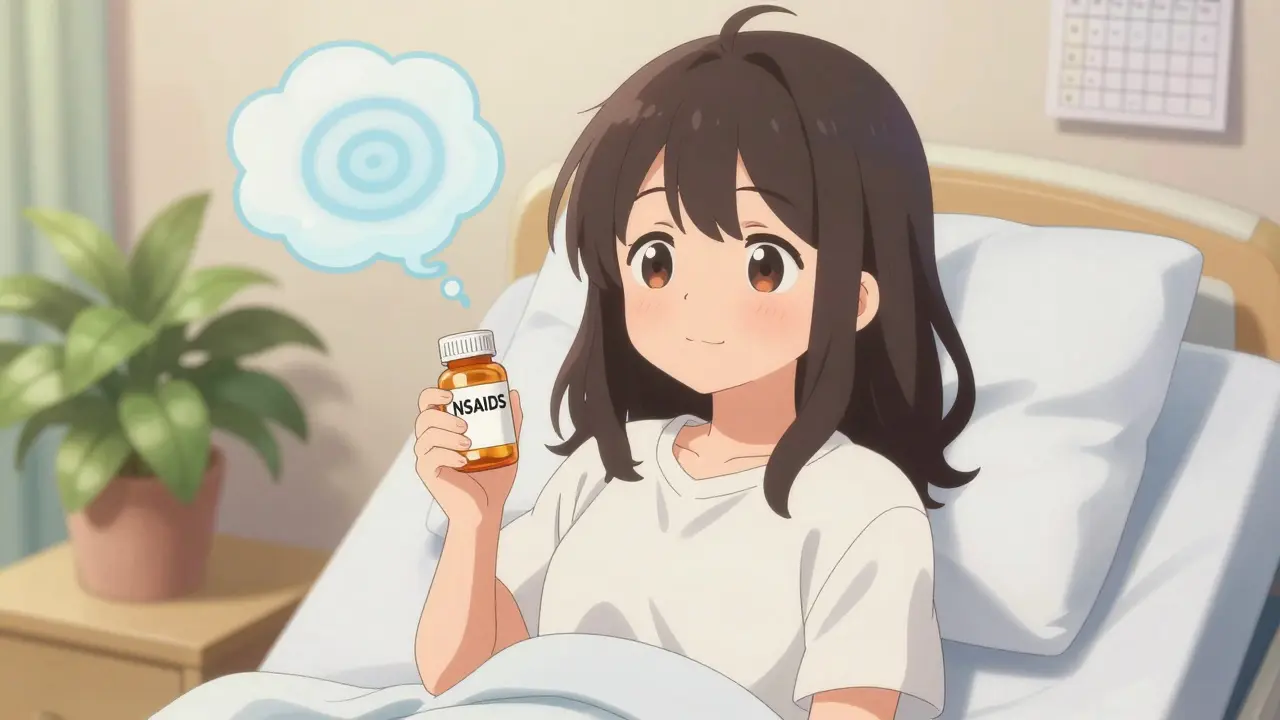
When you take a medication, you expect it to help. But sometimes, it does something you didn’t sign up for - nausea, dizziness, a rash, or worse. Not all side effects are the same. Some you can see coming. Others strike out of nowhere. Understanding the difference between predictable and unpredictable side effects isn’t just for doctors. It’s key to staying safe when you’re on meds.
What Are Predictable Side Effects?
Predictable side effects, also called Type A reactions, make up about 75-80% of all adverse drug reactions. They happen because of how the drug is supposed to work. If a drug lowers blood pressure, it might make you dizzy. If it kills bacteria, it might also kill good gut bacteria and give you diarrhea. These aren’t mistakes - they’re side effects built into the drug’s design. Take NSAIDs like ibuprofen. They reduce pain and inflammation by blocking enzymes that cause swelling. But those same enzymes also protect your stomach lining. So, it’s no surprise that long-term use can lead to stomach bleeding. The higher the dose, the greater the risk. Studies show stomach bleeding risk jumps from 1-2% at normal doses to 10-15% at high doses. That’s a clear, predictable pattern. Other common predictable reactions:- Sedation from opioids or antihistamines
- Low blood sugar from insulin or metformin
- Low blood pressure from blood pressure meds
- Constipation from painkillers
What Are Unpredictable Side Effects?
Unpredictable side effects, or Type B reactions, are the opposite. They’re rare - only 20-25% of all adverse reactions - but they’re the ones that scare doctors. They have nothing to do with how the drug is supposed to work. One person gets a life-threatening rash. Another has no reaction at all. Same drug. Same dose. Different outcomes. These reactions are often tied to your genes, your immune system, or unknown biological quirks. For example:- Stevens-Johnson syndrome after taking carbamazepine or sulfamethoxazole - a severe skin reaction that can destroy your skin and mucous membranes
- Anaphylaxis from penicillin - a sudden, full-body allergic shock
- Drug-induced hemolysis in people with G6PD deficiency - red blood cells break down after taking certain antibiotics or antimalarials
- Severe liver damage from acetaminophen in people with certain genetic variants
Why the Difference Matters
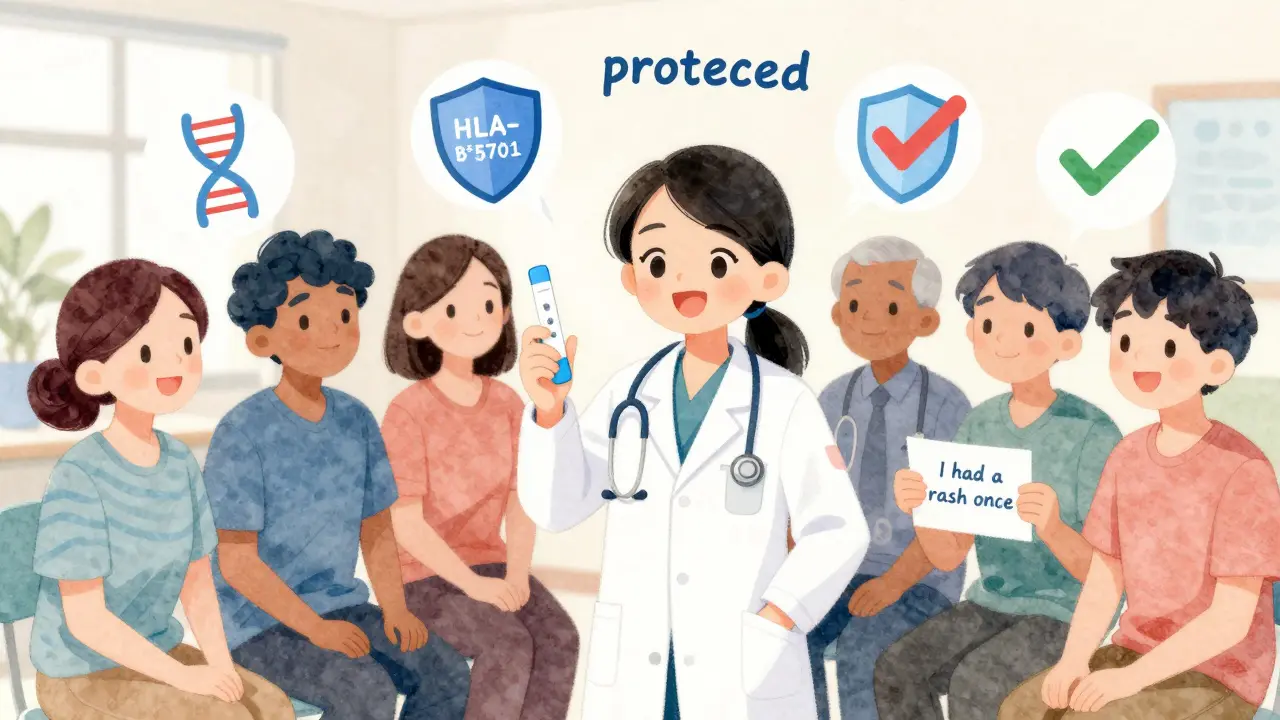
Knowing whether a side effect is predictable or not changes how you manage risk. For predictable reactions, the solution is often simple: adjust the dose, add a protective drug, or switch to something else. Your doctor can monitor you with basic tests - kidney function, liver enzymes, blood pressure - and catch problems early. For unpredictable reactions, it’s trickier. There’s no dose adjustment that helps. You can’t test for them with routine blood work. The only way to avoid them is to know who’s at risk before giving the drug. That’s where genetic testing comes in. For example, before prescribing abacavir (an HIV drug), doctors test for the HLA-B*5701 gene. If you have it, you’re at high risk for a life-threatening allergic reaction. Don’t give the drug. Simple. This test has cut reaction rates from 5% to under 1% in people who get screened. But here’s the problem: we only have these kinds of tests for a few drugs. Right now, genetic screening helps prevent only about 30% of the most dangerous unpredictable reactions. That means most people still take medications without knowing if they’re at risk.
Real Cases: When Things Go Wrong
A 68-year-old man in Minnesota started metformin for type 2 diabetes. Within two days, his blood sugar dropped to 48 mg/dL - dangerously low. He was hospitalized. This was a predictable reaction: metformin lowers blood sugar, and his kidneys weren’t clearing the drug as fast as expected. His dose was cut, and he recovered. A 24-year-old woman in California took a single dose of sulfamethoxazole for a urinary tract infection. Two days later, her skin started peeling off. She had toxic epidermal necrolysis - a Type B reaction. She didn’t have known allergies. No family history. No warning. She survived, but lost 30% of her skin surface. It cost her months in the hospital. No dose change could have prevented this. Only genetic screening might have - but no test existed for her case. These stories aren’t rare. A 2023 survey of 427 doctors found that 78% saw NSAID-related stomach bleeding regularly. But 63% said penicillin allergies were their biggest worry - because you never know who’s going to react.What You Can Do
You don’t need to be a doctor to protect yourself. Here’s what works:- Know your meds. Read the patient information sheet. If it says “may cause dizziness,” it’s probably predictable. If it says “rare but serious skin reaction,” that’s unpredictable - and worth noting.
- Track your reactions. Write down any new symptom after starting a drug - even if it seems small. A rash, fatigue, or strange taste can be early signs.
- Ask about genetic testing. If you’re being prescribed abacavir, carbamazepine, or certain cancer drugs, ask if there’s a genetic test you should take first. It’s becoming more common.
- Don’t ignore a reaction. If you feel worse after taking a new drug, stop it and call your doctor. Don’t wait. Type B reactions can escalate fast.
- Know your family history. If someone in your family had a bad reaction to a drug, tell your doctor. It might mean you’re at risk too.
The Future of Drug Safety
The good news? We’re getting better at this. The FDA approved its first pharmacogenomic tool for warfarin in 2023 - helping doctors pick the right dose based on your genes. That reduces the risk of dangerous bleeding, a predictable reaction. The NIH’s All of Us program has found 17 new gene-drug links since 2023, including ones that might explain why some people react badly to phenytoin - even outside Asian populations. AI systems trained on millions of electronic health records can now predict predictable side effects with 89% accuracy. But for unpredictable ones? Only 47%. That’s the big gap. The science behind Type B reactions is messy. It’s not just genes - it’s your environment, your gut microbiome, your immune history. All of it matters. By 2030, global health groups aim to cut severe unpredictable reactions by half through widespread genetic screening. But that’s only possible if hospitals invest in testing, doctors learn to use the data, and patients speak up about their history.Bottom Line
Predictable side effects are common, manageable, and often avoidable. Unpredictable ones are rare, scary, and mostly unavoidable - unless we know who’s at risk. The key to drug safety isn’t just taking your pills as directed. It’s knowing when something might go wrong - and asking the right questions before it does. Talk to your doctor. Know your body. And never assume a side effect is “just normal.” Sometimes, it’s a warning.Are all side effects dangerous?
No. Many side effects are mild and temporary - like drowsiness from antihistamines or nausea from antibiotics. These are often predictable and go away as your body adjusts. Dangerous side effects are usually the ones that are severe, unexpected, or don’t improve with time. Always report new or worsening symptoms to your doctor.
Can I prevent unpredictable side effects?
Sometimes, but not always. For a few drugs - like abacavir or carbamazepine - genetic testing can prevent serious reactions. But for most unpredictable side effects, there’s no test yet. The best defense is knowing your family history, reporting early symptoms, and avoiding drugs you’ve reacted to before.
Why do some people react badly to a drug while others don’t?
It’s often genetics. Your genes control how your body breaks down drugs, how your immune system responds, and how sensitive your cells are to certain chemicals. Two people can take the same dose, but if one has a gene variant that slows drug metabolism or triggers an immune response, they’re at risk. Environmental factors like infections or other medications can also play a role.
Should I ask my doctor for genetic testing before taking new medications?
It’s worth asking - especially if you’re being prescribed one of the few drugs with a known genetic risk, like abacavir, carbamazepine, or clopidogrel. Routine testing isn’t standard for most meds yet. But if you’ve had a bad reaction before, or if you’re from a population with known genetic risks (like Han Chinese ancestry), it’s a smart question to raise.
How common are serious drug reactions?
About 770,000 serious adverse drug reactions happen each year in U.S. hospitals alone, according to the Institute of Medicine. Most are predictable and linked to dosing errors or long-term use. But the most deadly ones - like anaphylaxis or skin necrosis - are unpredictable and make up a smaller number of cases, yet cause a large share of deaths.
My grandma took that sulfamethoxazole thing and ended up in the ER with her skin peeling off. No warning. No idea why. They told her it was just bad luck. But now I always ask if there's a gene test before anything new. Better safe than sorry.
So let me get this straight - we’re putting people on drugs with a 1 in 10,000 chance of their skin turning into confetti… and the solution is ‘just ask your doctor’? 😒
Actually, the pharmacogenomic landscape is far more nuanced than this article suggests. The CYP450 enzyme polymorphisms - particularly CYP2D6 and CYP2C19 - account for over 60% of interindividual variability in drug metabolism, yet most primary care providers still don't routinely screen for them. The FDA’s 2023 warfarin guidance is a step, but it’s still reactive, not predictive. We need population-level pharmacogenomic databases integrated into EHRs - not just for abacavir, but for SSRIs, statins, and anticoagulants too.
As someone who’s worked in public health across three continents, I’ve seen this play out differently everywhere. In India, where polypharmacy is common and access to specialists is limited, predictable side effects like GI bleeding from NSAIDs are rampant - but patients rarely report them because they don’t know it’s the drug. In South Africa, we’ve had real success with HLA-B*5701 screening for abacavir in HIV clinics - but only because the government funded it. In the U.S., it’s all about insurance coverage and liability. The tech exists. The will doesn’t.
OMG I JUST REALIZED - THIS IS WHY MY COUSIN GOT STVENS-JOHNSON FROM CARBAMAZEPINE AND NO ONE KNEW?? I’M SO SAD BUT ALSO SO MAD. WHY ISN’T THIS ON EVERY PRESCRIPTION LABEL??
It’s wild how we treat our bodies like black boxes - we’ll run a full MRI for a headache but won’t blink an eye at giving someone a drug that could turn their skin to ash. Maybe the real side effect isn’t the medicine… it’s our collective refusal to ask, ‘What if this breaks me?’
My uncle took metformin for 12 years and never had a problem. Then one day he just passed out. Turns out his kidneys were slowing down and no one checked. Predictable? Yes. Preventable? Also yes. We need annual labs for long-term meds - not just when you’re feeling bad.
While the article presents a compelling dichotomy between Type A and Type B reactions, it is imperative to acknowledge that the clinical utility of pharmacogenomic screening remains constrained by socioeconomic disparities. Access to genetic testing is not equitably distributed, and the burden of preemptive screening often falls disproportionately on patients with greater health literacy and financial means. Until systemic reform ensures universal access to these interventions, the promise of precision medicine remains an aspirational ideal rather than a clinical reality.
In India, we have always known that Western medicine is not designed for our bodies. The drugs they make are for white people with different genes and diets. Why do we trust them? Why don’t we demand medicines made for us? This is not science - it is colonialism with a prescription pad.
EVERYTHING YOU’RE TOLD ABOUT DRUG SAFETY IS A LIE. THE PHARMA COMPANIES KNOW ABOUT THESE REACTIONS - THEY’VE HIDDEN THE DATA FOR DECADES. THEY DON’T WANT GENETIC TESTING BECAUSE THEN THEY’D HAVE TO MAKE DIFFERENT DRUGS. THEY’D LOSE BILLIONS. THAT’S WHY THEY PUSH ‘IT’S JUST BAD LUCK’ - TO KEEP YOU QUIET. THE FDA IS IN THEIR POCKET. THE DOCTORS ARE PAID TO LOOK THE OTHER WAY. YOU THINK THIS IS ABOUT HEALTH? IT’S ABOUT PROFITS.
My mom’s doctor switched her from one blood pressure med to another because she kept getting dizzy - turned out it was predictable, but no one checked her kidney function first. Now she’s on a lower dose and feels great. Just because you feel fine doesn’t mean your body is. Talk to your doc. Keep track. You’re your own best advocate.
Maybe the real question isn’t why some people react badly - but why we think we can control biology with chemicals at all. We’re not engineers. We’re just apes with pill bottles pretending we’ve figured out the universe. Every drug is a gamble. The only difference between predictable and unpredictable is how much we pretend to know.
It is not the responsibility of the patient to be an expert on pharmacogenomics. The onus lies squarely with the prescriber and the regulatory bodies to ensure that the medications they authorize are safe for the populations they are prescribed to. The current model is ethically indefensible.
Let’s be honest - if you’re the type of person who doesn’t read the patient leaflet or track symptoms, you shouldn’t be taking prescription drugs at all. You’re not just risking your own health - you’re burdening the system. This isn’t a matter of science. It’s a matter of personal accountability. And frankly, most people aren’t ready for it.