
Category: Medications - Page 2
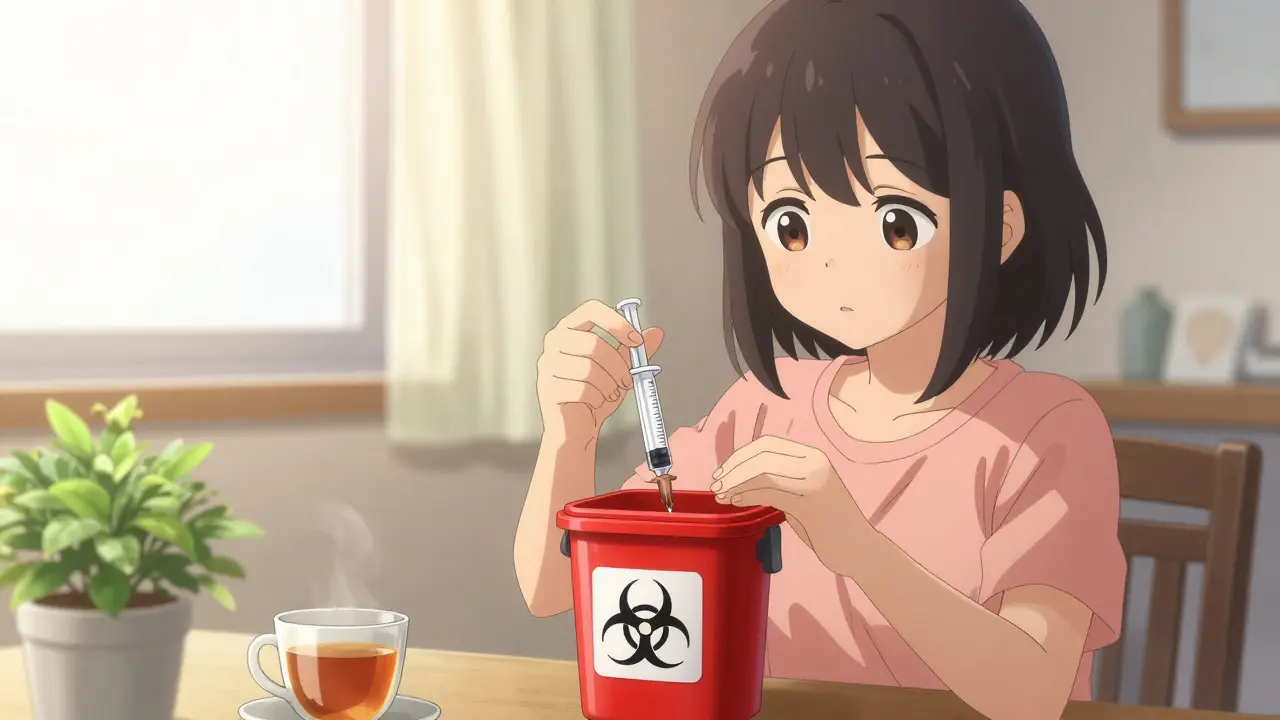
How to Dispose of Sharps and Needles from Injected Medications Safely
Learn how to safely dispose of sharps and needles from injected medications to prevent injuries and protect public health. Follow FDA guidelines and find local drop-off sites.

SSRIs and Opioids: Serotonin Syndrome Risk and Prevention Strategies
Combining SSRIs with certain opioids like tramadol can trigger serotonin syndrome - a dangerous, often misdiagnosed condition. Learn which drug pairs are risky, how to spot early signs, and safer pain relief options.

How to Check Active Ingredients to Avoid Double Dosing in Children
Double dosing in children is a silent danger - often caused by not checking active ingredients in common OTC medicines. Learn how to spot hidden duplicates and prevent accidental overdose.

Tetracyclines and Isotretinoin: The Hidden Risk of Pseudotumor Cerebri
Combining tetracyclines like doxycycline with isotretinoin for acne can cause pseudotumor cerebri-a rare but dangerous condition that may lead to permanent vision loss. Learn why this interaction is deadly and how to avoid it.

Vaccinations on Blood Thinners: Bruising, Bleeding, and Technique
People on blood thinners can and should get vaccinated. With the right technique-small needle, firm pressure, no NSAIDs-bruising and bleeding risks drop dramatically. Skipping vaccines is far more dangerous than the side effects.

How to Check REMS Requirements Before Starting a Medication
Learn how to check REMS requirements before starting a new medication to avoid delays or safety risks. Know what steps to take, where to look, and who can help you.

ACE Inhibitors and Spironolactone: Hyperkalemia Risk and Management
Combining ACE inhibitors and spironolactone can dangerously raise potassium levels. Learn why, who's at risk, and how doctors monitor and manage this life-threatening condition.

Nociceptive Pain: How Tissue Injury Works and Why NSAIDs Beat Acetaminophen for Inflammation
Nociceptive pain comes from tissue injury and responds best to targeted treatment. NSAIDs reduce inflammation and speed healing, while acetaminophen only dulls pain. Learn when to use each-and why mixing them can be smarter than choosing one.

How Bronchodilators and Corticosteroids Work Together to Manage Asthma and COPD
Bronchodilators open airways fast; corticosteroids reduce inflammation over time. Used together correctly, they’re the most effective treatment for asthma and COPD. Learn how to use them right.
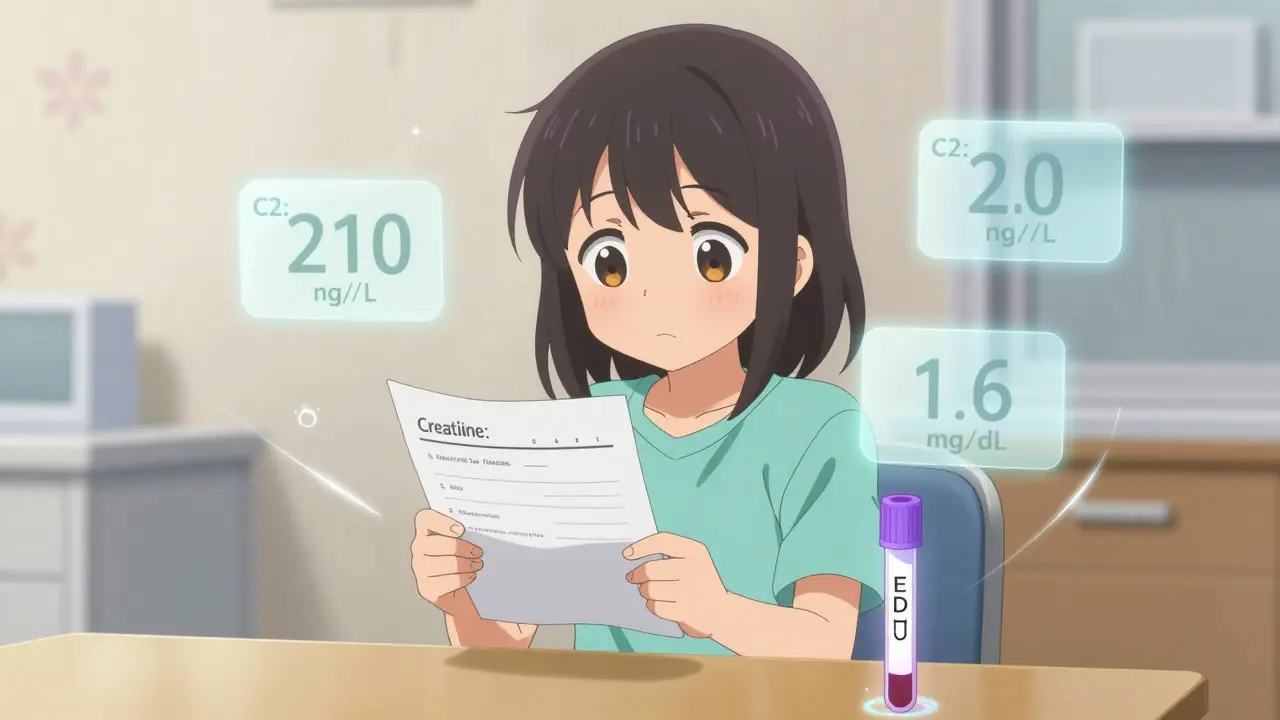
Cyclosporine Nephrotoxicity: How to Monitor Kidney Function and Drug Levels Safely
Cyclosporine is vital for transplant patients but can damage kidneys. Learn how to monitor blood levels, kidney function, and drug interactions to prevent long-term harm and protect your transplant.