
Serotonin Syndrome: Risks, Signs, and Medications That Cause It
When your body gets too much serotonin, a natural chemical that helps regulate mood, sleep, and digestion. Also known as serotonin toxicity, it can turn from a mild annoyance into a life-threatening emergency within hours. This isn’t about eating too many bananas or taking extra vitamin B6. It’s about drug interactions, when two or more medications boost serotonin levels at the same time. Even if each drug is safe on its own, together they can push your system over the edge.
Most cases happen when people combine antidepressants, like SSRIs or SNRIs, with other serotonin-boosting drugs. That includes migraine meds like triptans, certain painkillers like tramadol, or even herbal supplements like St. John’s wort. It’s not rare—hospitals see dozens of cases every year, and many go misdiagnosed as the flu or a panic attack. The real danger? It happens fast. One extra pill, a new prescription, or switching meds without checking for overlaps can trigger it. Symptoms start with shivering, sweating, or a rapid heartbeat, then can spiral into high fever, seizures, or unconsciousness. If you’re on more than one medication that affects serotonin, you need to know the signs. Your pharmacist isn’t just handing out pills—they’re your first line of defense.
You won’t find serotonin syndrome in most patient brochures. But it shows up in the fine print of serotonin inhibitors, a broad category that includes many common drugs used for depression, anxiety, pain, and even nausea. The real problem? Doctors often don’t ask about all the supplements or OTC meds you’re taking. And if you’re on a sleep aid, a cold medicine, or an old painkiller, you might not even realize it’s part of the mix. That’s why understanding how these drugs work together matters more than ever. The posts below cover real cases where people ended up in the ER because they didn’t know the risks. You’ll find clear breakdowns of which combinations are dangerous, what symptoms to watch for, and how to talk to your doctor before adding anything new to your routine. This isn’t theoretical—it’s the kind of info that could save your life.
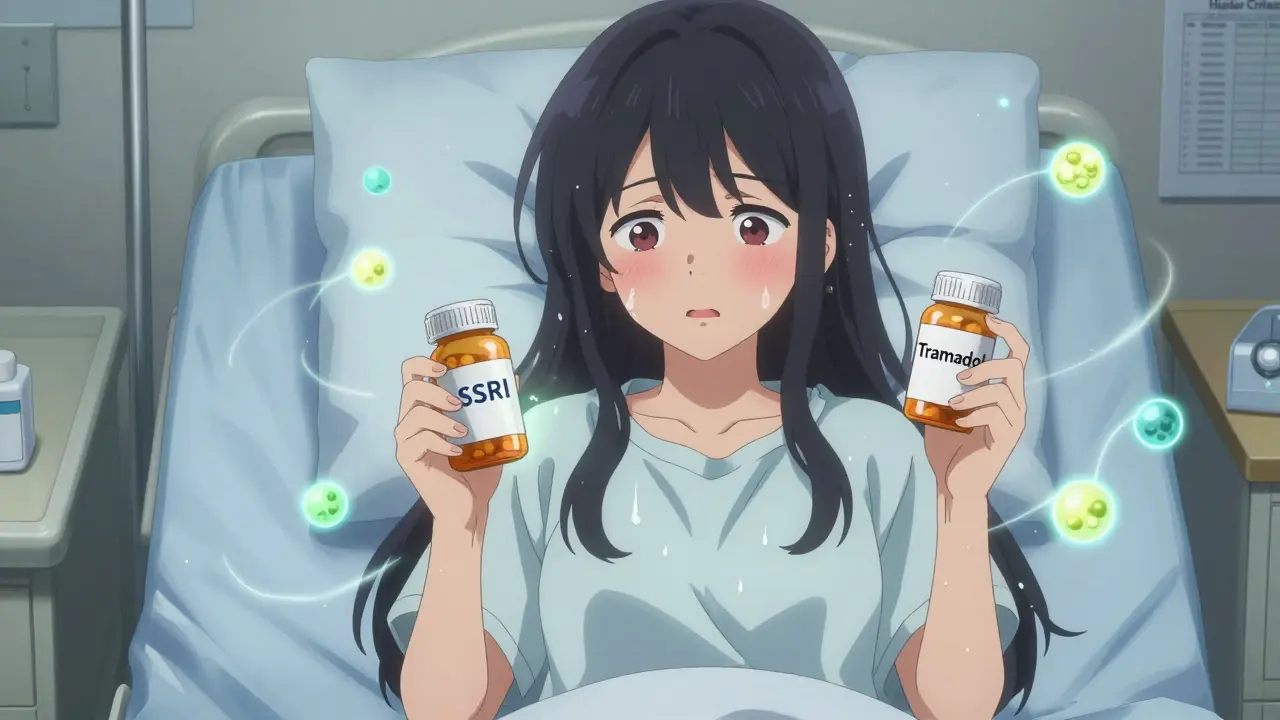
SSRIs and Opioids: Serotonin Syndrome Risk and Prevention Strategies
Combining SSRIs with certain opioids like tramadol can trigger serotonin syndrome - a dangerous, often misdiagnosed condition. Learn which drug pairs are risky, how to spot early signs, and safer pain relief options.
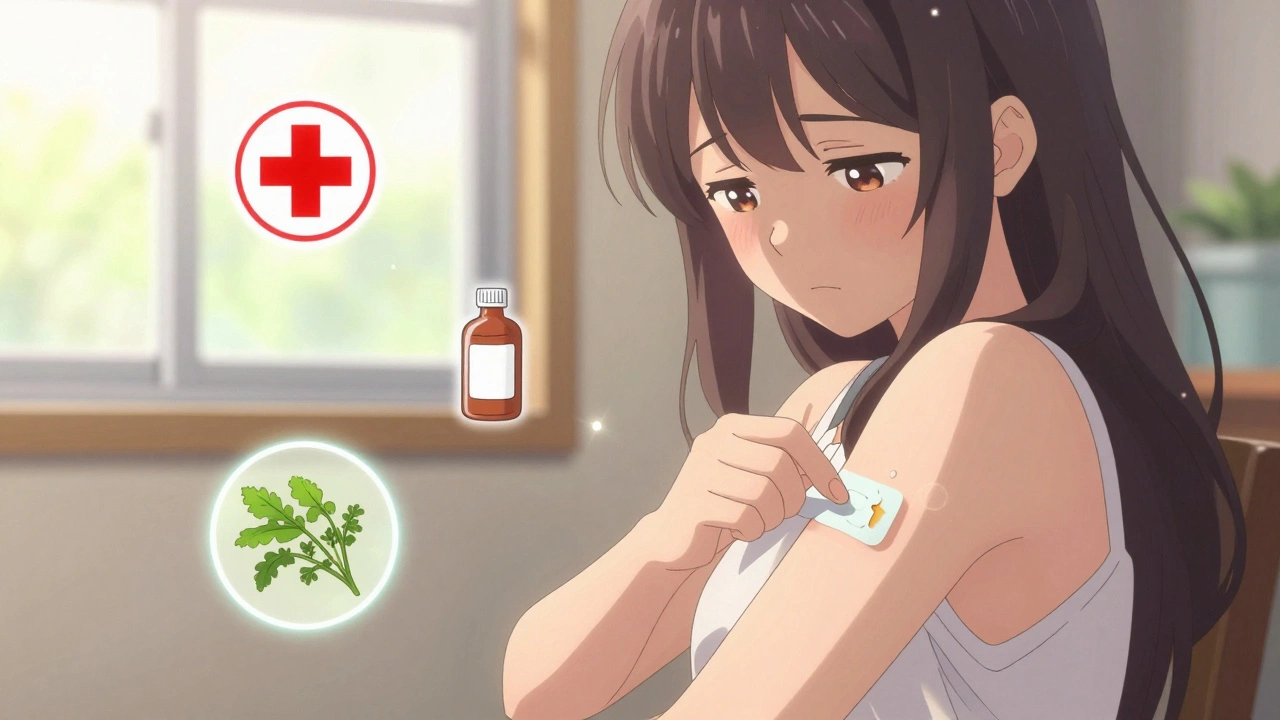
Selegiline Transdermal and Serotonergic Drugs: How to Avoid Dangerous Interactions
Selegiline transdermal (EMSAM) reduces dietary risks but still causes deadly serotonin syndrome when mixed with common antidepressants, painkillers, or OTC cough syrup. Learn the exact drugs to avoid, washout periods, and what to do if you’ve mixed them.