
Mood Destabilization: Causes, Medications, and What You Can Do
When your mood swings out of control—without warning, without reason—it’s not just feeling down or up. It’s mood destabilization, a sudden, often unpredictable shift in emotional state that can interfere with daily life, relationships, and treatment plans. Also known as emotional lability, it’s not a diagnosis on its own, but a warning sign tied to conditions like bipolar disorder, depression, or reactions to medications. This isn’t about being moody. It’s about your brain’s chemistry being thrown off balance, sometimes by something as simple as a new pill, a missed dose, or even dehydration.
Lithium, a cornerstone treatment for bipolar disorder, is one of the most common triggers when not managed right. Even small changes in salt intake, kidney function, or mixing it with NSAIDs or diuretics can push lithium levels into dangerous territory, causing confusion, tremors, and wild mood swings. Medication interactions, when two or more drugs clash in your body, are another major cause. A common antibiotic, a sleep aid, or even an over-the-counter painkiller might seem harmless—but together, they can unravel emotional stability. And it’s not just drugs. Skipping meals, sleeping poorly, or sudden stress can tip the scale too.
What you’ll find here isn’t just theory. These articles come from real cases, real patients, and real medical data. You’ll see how mood destabilization shows up in people taking lithium, why some generics can feel different even when they’re supposed to be identical, and how polypharmacy in older adults quietly erodes emotional control. You’ll learn what’s behind sudden emotional crashes after starting a new heart drug, why dehydration can turn a stable mood into a crisis, and how pharmacist advice can prevent a breakdown before it starts. This isn’t about guessing what’s wrong. It’s about recognizing the patterns, knowing what to ask your doctor, and understanding what your meds are really doing to your brain.
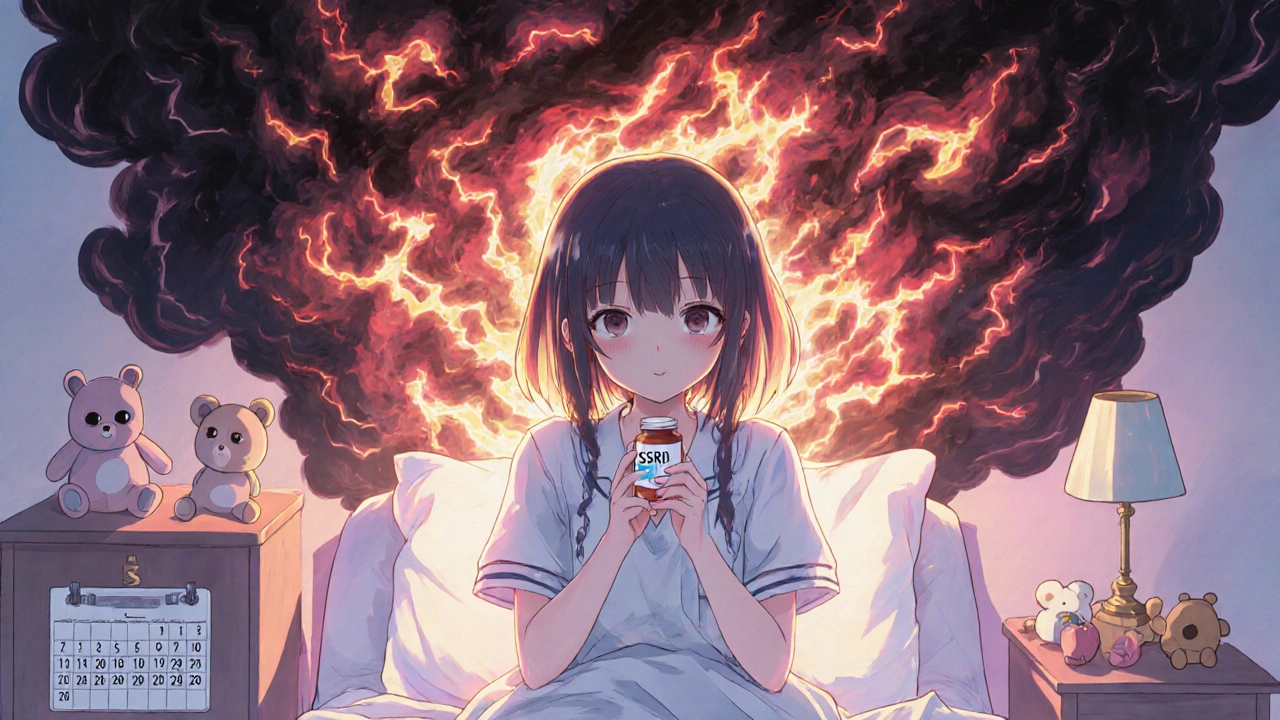
Antidepressants and Bipolar Disorder: The Real Risk of Mood Destabilization
Antidepressants can trigger mania or rapid cycling in bipolar disorder. Safer, FDA-approved alternatives exist. Learn the real risks, who's most vulnerable, and what treatments actually work.