
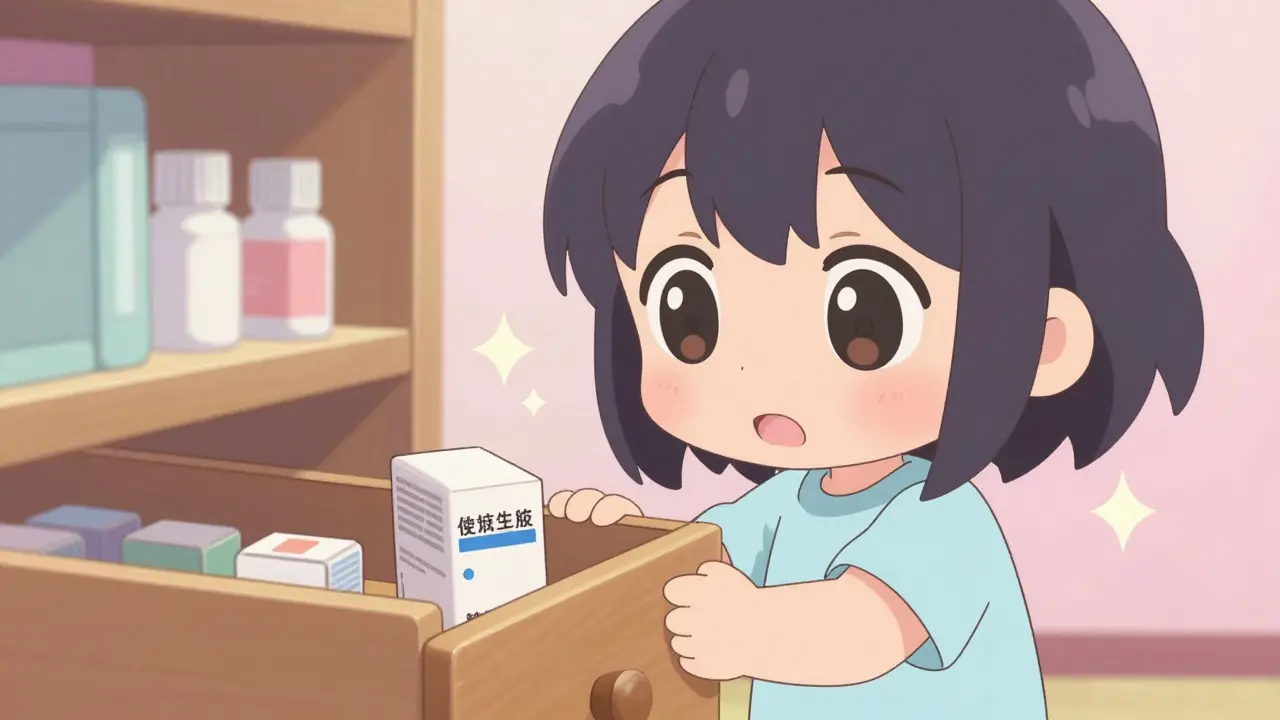
You find an old box of tablets in your drawer. The label says Expiration Date is the final day a manufacturer guarantees full potency and safety. You think, "It looks fine." But does it really work? In today's world of complex pharmaceuticals, that printed date isn't just a suggestion; it is a critical piece of information regarding patient safety. Many of us wonder if taking a pill a month or even a year past its date puts us at risk, while others worry about throwing away money perfectly good. Understanding the nuance between stability and degradation is the key to making the right call.
The Guarantee Behind the Printed Date
When you see that date on your prescription bottle, you are looking at the end of a legal promise. Manufacturers conduct rigorous stability testing before approval. They expose their products to extreme conditions-heat, humidity, light-to see when the active ingredient drops below 90% of its labeled potency. The date represents the point where the company cannot scientifically guarantee the drug will behave exactly as designed. This system was standardized in 1979 following federal regulations that aimed to protect public health by ensuring therapeutic efficacy.
However, there is often a gap between the guaranteed shelf life and actual chemical stability. Research from military stockpile programs has shown that many solid oral medications remain stable far beyond their printed dates. Yet, relying on this luck is risky for civilians because we lack controlled storage environments. The difference lies in who controls the variables. A warehouse maintains constant temperature; your home experiences daily fluctuations. That variation shortens the actual lifespan of the medication significantly compared to lab conditions.
How Stability Testing Works
To set that initial date, regulators require manufacturers to submit extensive data. They subject batches of the drug to accelerated stress testing. For example, they might store samples at high temperatures like 40°C and measure degradation rates over six months. Using mathematical modeling, they predict how long the drug remains potent under normal conditions. This process follows international guidelines, such as those from the International Council for Harmonisation. It ensures that the drug doesn't just stay solid but that the chemical breakdown products remain within safe limits for human consumption.
Despite this rigorous science, real-world factors play havoc with these calculations. If a bottle sits on a sunny windowsill during a hot summer, the degradation happens much faster. Light-sensitive drugs, for instance, can break down within weeks rather than years. This is why the expiration date assumes ideal storage. If you deviate from those ideal conditions-specifically temperature and humidity-the clock starts ticking much faster than the label suggests.

The Dangerous Exceptions to the Rule
While some old pills might seem harmless, certain medications become genuinely dangerous once expired. You cannot generalize across all drugs. The Institute for Safe Medication Practices categorizes these risks specifically. Category 1 drugs create immediate physical danger upon degradation. Here are the critical ones you must never use past their date:
- Insulin isa hormone used to manage blood sugar levels that degrades rapidly in heat: When stored above 8°C, it loses effectiveness at a rate of 1.5-2.5% per month. Unstable insulin leads to unpredictable blood sugar control, posing severe hypoglycemia or hyperglycemia risks.
- Nitroglycerin isa vasodilator used to treat chest pain that sublimates quickly: Sublingual tablets lose up to 50% of their potency within three to six months of opening, even before the official expiration date. This leaves heart patients unprotected during angina attacks.
- Liquid Antibiotics arepowders mixed with water that degrade rapidly once reconstituted: Amoxicillin suspensions typically expire 14 days after mixing. Taking expired liquid antibiotics can fail to kill bacteria, leading to treatment resistance or worsening infections.
- Epinephrine Auto-Injectors areemergency devices for allergic reactions that lose pressure over time: These lose significant potency annually. During anaphylaxis, an under-dosed EpiPen could be fatal.
These specific examples highlight why blanket advice on "expired meds being okay" is dangerous. The consequences of treatment failure with these drugs outweigh any potential cost savings.
Environmental Factors and Storage Impact
Your home environment dictates how long a drug stays viable. Temperature is the biggest enemy. For every degree Celsius increase in storage temperature, the rate of chemical reaction increases. Studies show medications stored at 30°C degrade 40-60% faster than those kept at 25°C. Humidity is the silent killer. Bathrooms are often cited as places to avoid storing meds. Why? Showers create spikes in humidity reaching 75-85%. Tablets absorb this moisture, causing premature chemical breakdown or crumbling.
In regions with distinct seasons, moving a medicine cabinet from a cool winter room to a hot garage in summer exposes it to extreme thermal shock. This causes the container seals to expand and contract, letting air in. Air introduces oxygen, which oxidizes ingredients. Oxidation changes the color and composition of the pill, rendering it less effective or creating toxic byproducts. Keeping medicines in their original opaque containers helps shield them from UV radiation, which is another factor in degradation.
| Condition | Effect on Drugs | Risk Level |
|---|---|---|
| Bathroom Cabinet | High humidity, moisture absorption | High |
| Sunny Window | UV light degradation, heat spikes | High |
| Air-conditioned Bedroom | Stable temp, low humidity | Low |
| Original Container | Blocks light, moisture-resistant | Protective |
The ideal spot is a cool, dry place in the bedroom or linen closet. Aim for temperatures below 25°C. Avoid the fridge unless specifically directed; cold can sometimes damage the crystalline structure of tablets, making them dissolve too quickly later.
Disposing of Expired Medicines Safely
Once you've decided a medication is past its useful life, disposal matters more than you might think. Flushing is rarely recommended due to environmental contamination, except for specific opioids listed on government flush lists where abuse prevention is prioritized. The preferred method is utilizing take-back programs. Community pharmacies and police stations often host collection sites twice a year. These events remove hundreds of tonnes of unused drugs from the waste stream safely.
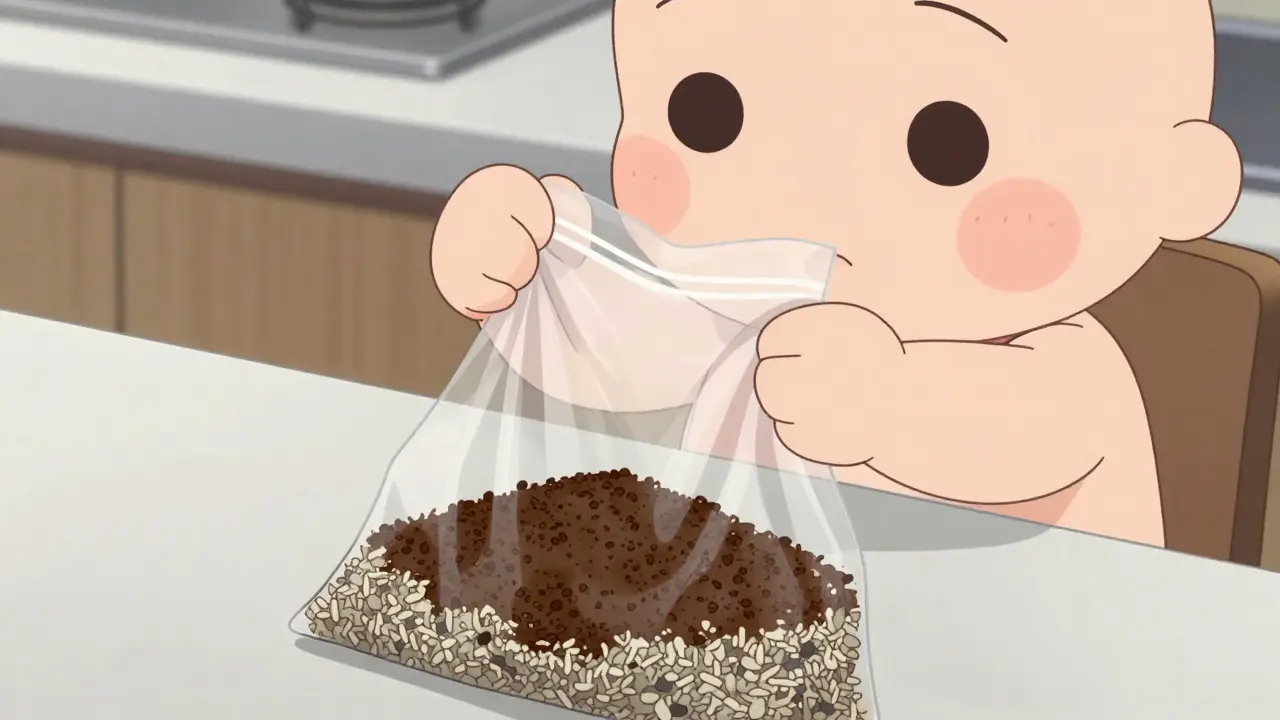
If no take-back site exists, the standard advice involves mixing the medication with unappealing substances like coffee grounds or cat litter in a sealed bag before placing it in household trash. This prevents accidental ingestion by children or pets and stops scavengers from accessing them. Removing labels from empty bottles protects your personal privacy and medical history.
Frequently Asked Questions
Is it safe to take a medication one week past the expiration date?
For most solid oral tablets stored in cool, dry conditions, a slight overage of a few weeks is generally considered low risk. However, critical drugs like insulin, nitroglycerin, and antibiotics should strictly be discarded by the date printed on the bottle to ensure therapeutic efficacy and safety.
Does the expiration date mean the drug turns toxic?
Rarely does an expired drug turn toxic immediately. The primary concern is loss of potency, meaning the drug won't work effectively. In rare cases, chemical breakdown can produce harmful byproducts, but this is uncommon in most solid dosage forms stored correctly.
Can I store medication in the bathroom medicine cabinet?
No. The steam and fluctuating humidity in bathrooms accelerate the breakdown of active ingredients. It is better to store medications in a bedroom cupboard or pantry away from direct sunlight and heat sources.
How do I know if my liquid antibiotic is expired?
Once you mix a powdered antibiotic suspension, it is typically valid for only 14 days. After this period, it must be thrown away regardless of the expiration date on the outer box, as preservatives in the mixture degrade over time.
What is the Shelf Life Extension Program?
This was a US military study that tested thousands of drug lots. It found roughly 88% of drugs remained effective 15 years past their date. While interesting, these results relied on strict controlled storage not possible in average households, so consumers should stick to consumer safety guidelines.
Most people ignore the chemistry behind the label because they do not understand degradation rates fully. The military stockpile program is not something you can apply to your humid bathroom cabinet without risking toxicity. Manufacturers set dates based on accelerated stress testing under controlled conditions that most households cannot replicate easily. You see that date and think it is arbitrary when it actually represents a legal guarantee of efficacy dropping below ninety percent potency. People keep throwing away money instead of understanding the real science of active ingredient breakdown over time. Storage conditions fluctuate daily in homes unlike the constant warehouses where stability trials occur regularly. This lack of environmental control means the printed date is often too generous for average consumer habits. Ignoring these variables leads to subtherapeutic dosing that puts vulnerable patients at unnecessary risk. The gap between guaranteed shelf life and actual chemical stability is massive when humidity spikes occur. I see far too many individuals treating pharmaceuticals like food products where best before rules apply loosely. They fail to recognize that insulin degradation specifically creates unpredictable glycemic control issues quickly. Safety margins exist for a reason and bypassing them ignores decades of regulatory history effectively. We need better education on pharmacology rather than relying on intuition about whether a pill looks fine visually. It is frustrating when common sense fails to meet basic chemical reality in public discourse consistently. Ultimately the liability falls on the patient who chooses to consume expired substances knowingly.
Nobody cares about your lecture on chemistry when they just want to save five bucks on their medicine.
It is important to remember that saving money is not worth risking someone's heart attack or diabetic crisis later on. We all want to stretch our budget but health consequences outweigh the small cost of replacement bottles most of the time. I think about my own family members who struggle to afford prescriptions and how hard they try to make every pill last longer than necessary. That frugality comes from a place of love and trying to protect their household from financial strain despite the risks involved here. When we talk about safety protocols we have to acknowledge the economic burden that drives people toward these questionable choices honestly. My neighbor once took old antibiotics thinking nothing would happen and ended up with a much worse infection that required hospitalization. Seeing her suffer through that experience changed my perspective on why manufacturers insist on strict expiration policies firmly. We cannot judge those who hesitate to throw away pills because they do not mean to put themselves in danger intentionally. Education is really what we need instead of judgment when someone admits to keeping old meds around the house. Humidity plays such a huge role in breaking down tablets that even visual inspection misses internal damage completely. Moisture creeps into bottles during showers and destroys the protective coatings designed to release chemicals properly. Bathrooms are the absolute worst location for storage yet so many people keep everything right above the toilet. I hope everyone thinks twice before taking any medication that feels soft or smells different from usual texture. Trusting the science protects us all from unseen threats that accumulate slowly over years of improper storage. Keeping medicines safe requires a mindset shift where health value supersedes immediate monetary savings in every situation. Please consider that the peace of mind from proper storage is worth more than any discount found on the secondary market.
This discussion reminds me how lax regulations become outside United States jurisdictions where FDA oversight does not exist. International guidelines often lag behind domestic safety standards established within our borders for public protection purposes. Foreign manufacturing plants frequently cut corners on testing that American consumers take entirely for granted in their daily lives. We see reports constantly about contaminated batches coming from overseas facilities lacking rigorous quality assurance protocols. The expiration date printed on packaging reflects American legal requirements that other nations may not enforce strictly enough. Trusting imported drugs past their date is incredibly risky given the inconsistency in global pharmaceutical manufacturing standards. Domestic supply chains maintain tighter control over temperature and humidity throughout the distribution process compared to international counterparts. Consumers ignoring local advice usually fail to realize that their specific national regulations exist for valid safety reasons. Patriotism aside the safety mechanisms built into our system protect citizens from negligent corporate practices abroad. Expired medications sold legally elsewhere could contain harmful impurities that violate American purity thresholds significantly. I expect more respect for domestic safety laws when dealing with critical healthcare supplies like prescription drugs. Many people forget that import loopholes allow unsafe products to enter markets without full transparency. Compliance with local law ensures the baseline safety needed for effective treatment outcomes.
Your assertion about US superiority ignores the fact that degradation physics applies universally regardless of political borders drawn on maps. Science does not pause for national pride and chemical reactions proceed exactly the same way in Toronto as in Texas. Nitroglycerin loses vapor pressure irrespective of which flag flies above the pharmacy dispensing the emergency dose today. Optimism works better than cynicism when we acknowledge that proper storage saves lives everywhere on the globe equally. Dismissing international data limits our ability to learn from diverse environmental stability studies conducted in varied climate zones. We should celebrate the universal nature of scientific truth rather than compartmentalize it into regional silos of perceived quality. Aggressive promotion of domestic standards helps but only if backed by accessible education reaching underserved demographics effectively. Confidence in the system builds stronger compliance habits among consumers who trust the guidelines provided by experts.
Wow!!! I never realized that the bathroom cabinet was actually melting my medicines away like magic!! This information is super cool and changes how I look at my medicine box now!!! Staying informed is the best way to stay safe in this crazy world of pills!!! I am going to move my stuff to the bedroom immediately!! Thanks for sharing this awesome knowledge!!
The mathematical modeling used to predict degradation rates relies heavily on Arrhenius equations and activation energy calculations. Storage temperature variances introduce significant error margins that invalidate standard extrapolation models in home environments. Chemical kinetics dictate that reaction velocity increases exponentially with thermal fluctuations observed in residential heating cycles. Oxidation processes introduced by compromised container seals further accelerate the decomposition of sensitive organic compounds. These physical changes occur invisibly to the human eye until therapeutic failure becomes clinically evident during administration. Regulatory bodies require proof that breakdown products remain non-toxic even as potency declines toward unacceptable thresholds. Accelerated stability testing simulates long-term aging through elevated temperatures to compress timeline predictions accurately. However real world exposure involves cyclic loading patterns rather than constant stressors applied in laboratory chambers. This discrepancy highlights why field performance rarely matches theoretical shelf life data provided on commercial labels. Environmental monitoring of stored goods suggests humidity control offers greater stability than mere temperature regulation alone. Desiccants within primary packaging degrade over time and lose effectiveness well before the printed expiry marker arrives. Understanding these underlying mechanics prevents reliance on heuristic shortcuts regarding medication viability timelines. Proper documentation of handling procedures provides the best insurance against accidental consumption of degraded pharmaceutical materials. Scientific rigor demands we treat every batch number as unique relative to its specific transport history during logistics. Deviation from ideal parameters inevitably reduces the margin of safety inherent in modern pharmaceutical design specifications.
The philosophical implications of defining safety solely through chemical metrics overlook the human element of patient vulnerability and desperation. We create rigid systems that assume perfect adherence when biological realities often force compromises due to socioeconomic pressures. Ethics demand we consider the intent behind using expired medicine rather than just the binary outcome of chemical composition analysis. A person facing poverty makes calculated risks to survive which deserves empathy alongside medical guidance regarding proper disposal. The tension between resource scarcity and safety mandates reveals deep structural flaws in how healthcare access is currently structured globally. We judge individual choices harshly while systemic barriers prevent affordable access to fresh stock for many vulnerable populations. Discarding functional molecules contributes to waste streams that harm the planet we share with future generations needing care. Moral responsibility extends beyond personal safety to include the ecological footprint created by premature disposal of usable compounds. Yet safety cannot be sacrificed lightly because one life lost undermines the entire social contract of medical trust provision. Balance requires nuanced policy making that supports accessibility without compromising essential biohazardous safeguards for communities. We must educate rather than punish those seeking solutions when official channels fail to provide timely relief options. The conversation shifts meaningfully when we view the expiration date as a boundary of confidence rather than absolute truth always. Stagnant storage conditions offer false security that deceptively mimics active preservation capabilities in lab settings. Our collective wisdom should guide individual choices towards harm reduction strategies that prioritize life preservation above all else. Ultimately the measure of a society lies in how it treats its most fragile members navigating complex pharmaceutical landscapes alone.