
HPV Prevention: How to Protect Yourself and Others from Human Papillomavirus
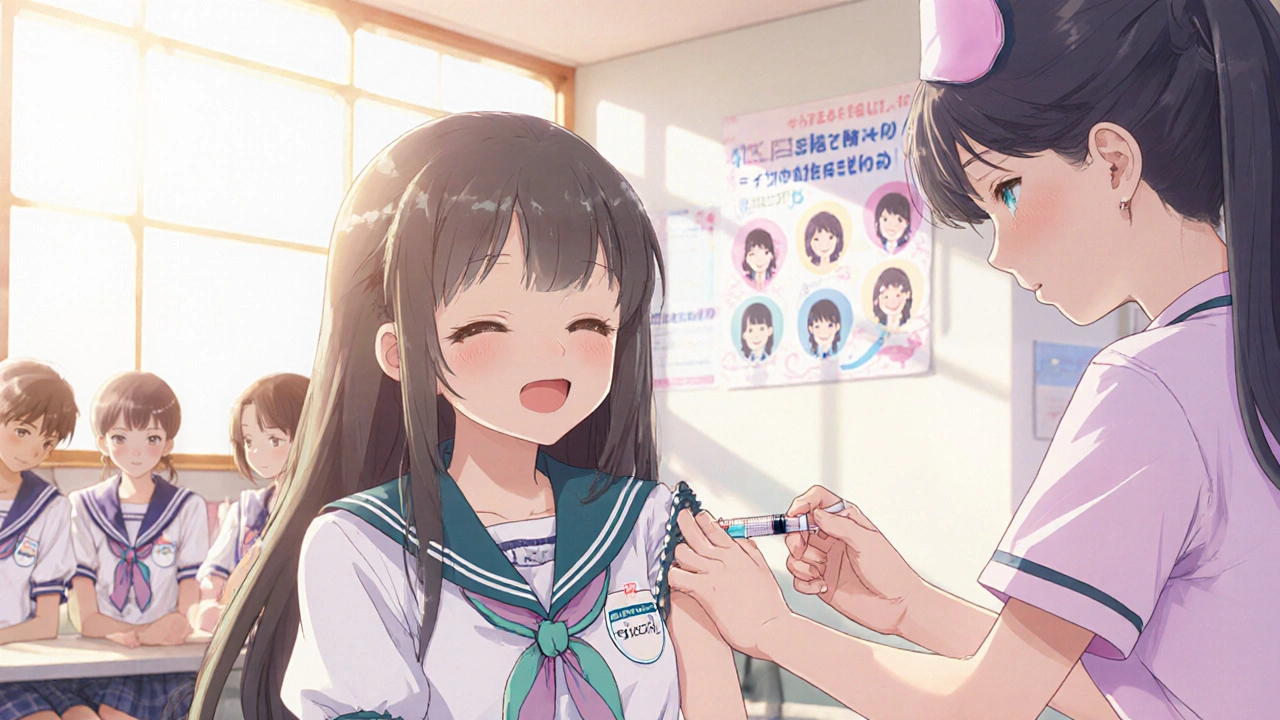
When it comes to HPV prevention, the practice of reducing the risk of infection by the human papillomavirus, a common virus linked to several cancers and genital warts. Also known as human papillomavirus, it’s the most common sexually transmitted infection in the U.S., affecting nearly 80% of people at some point in their lives. The good news? You don’t have to wait for an infection to happen. The HPV vaccine, a safe, two- or three-dose shot that protects against the cancer-causing strains of the virus is the most effective tool we have. It’s not just for teens—adults up to age 45 can still benefit, especially if they haven’t been fully vaccinated before.
Cervical cancer, a preventable disease caused by persistent HPV infection, especially types 16 and 18 used to be a leading cause of death in women. Today, thanks to widespread screening and vaccination, rates have dropped by over 60% in countries with strong prevention programs. But HPV doesn’t just affect the cervix—it’s also linked to cancers of the throat, anus, penis, and vulva. That’s why prevention isn’t just a women’s issue. Men benefit from the vaccine too, and using condoms reduces transmission, though not completely. Regular checkups and open talks with your doctor about sexual health matter just as much as the shot.
What you’ll find in the articles below isn’t a list of myths or scare tactics. It’s real, practical info—like how the HPV vaccine works in adults, why timing matters, what to expect after the shot, and how to talk to your partner about testing and protection. You’ll also see how other medications and health habits interact with your risk, and what steps people are taking right now to stay safe. This isn’t about fear. It’s about control. And with the right knowledge, you can take real steps to protect yourself and the people you care about.
HPV-Related Cancers: Throat, Anal, and How to Prevent Them
HPV causes throat, anal, and other cancers. Vaccination prevents them, but rates are too low. Learn how to protect yourself and your family with science-backed prevention steps.