
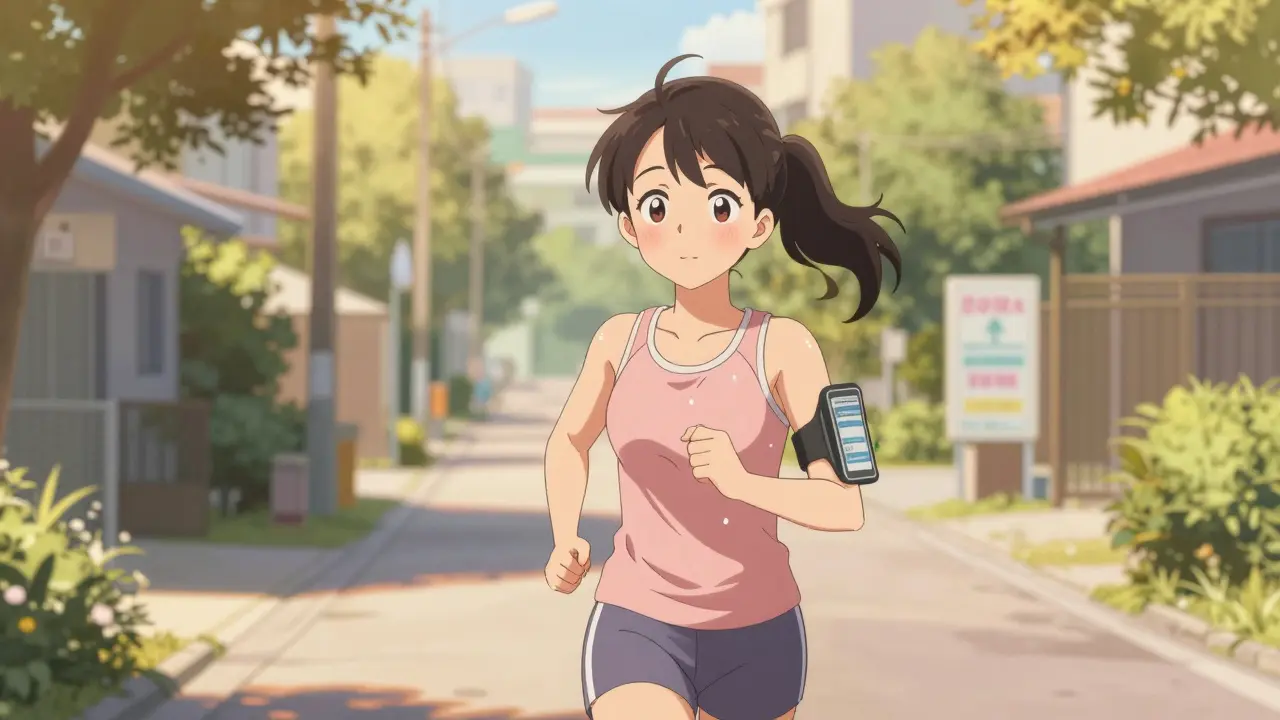
Statin Exercise Intensity Calculator
This calculator helps you determine safe exercise intensity zones while taking statins based on the latest research. According to studies, moderate exercise (40-60% of max heart rate) is safe for most statin users, while vigorous exercise may increase muscle damage risk.
Many people on statins worry that working out might hurt their muscles. You’ve probably heard stories-someone stopped running because their legs ached, or a friend quit the gym after starting a statin. It’s a real concern. But here’s the truth: statins and exercise can work together safely. Most people don’t need to give up their workouts. In fact, staying active is one of the best things you can do while taking statins.
Why Do People Think Statins Cause Muscle Problems?
Statins lower cholesterol by blocking an enzyme in your liver. But that same enzyme is also involved in making coenzyme Q10 (CoQ10), which your muscles need for energy. When CoQ10 drops, some people feel more tired or sore after exercise. That’s the theory. But science doesn’t always back up the fear. A 2023 study in the Journal of the American College of Cardiology followed 100 adults aged 55 to 73 who took statins. They all did 45 minutes of cycling at a moderate pace. Researchers measured muscle strength, recovery time, and blood markers like creatine kinase (CK)-a sign of muscle damage. The results? Statin users didn’t lose more strength than non-users. Their muscles recovered just fine. The only difference? Some statin users took longer to relax their muscles after squeezing them. But that didn’t affect their ability to walk, climb stairs, or lift groceries. So why do so many people feel worse? Partly because they’re comparing themselves to how they felt before starting statins. And partly because muscle soreness after exercise is normal-even without statins. The real issue isn’t damage. It’s discomfort that makes people quit.Not All Exercise Is the Same
Intensity matters. A 2010 study of Boston Marathon runners found that statin users had significantly higher CK levels after the race than non-users. Older runners were especially affected. But that’s not the same as running at a steady 5 mph for 30 minutes. The key difference? Moderate vs. vigorous exercise. - Moderate: Brisk walking, cycling on flat ground, swimming, light elliptical. You can talk but not sing. This is 40-60% of your max heart rate. - Vigorous: Sprinting, heavy weightlifting, HIIT, intense cycling uphill. You can only say a few words before catching your breath. This is 70%+ of your max heart rate. Studies show moderate exercise is safe-even for people who’ve had muscle pain before. But if you’re doing high-intensity workouts, you might see higher CK levels. That doesn’t mean you’re hurting your muscles. It just means your body is working harder.7 Proven Ways to Prevent Muscle Issues
If you’re on a statin and want to stay active, here’s what actually works:- Stick to moderate intensity-Aim for 150 minutes a week of brisk walking, cycling, or water aerobics. That’s 30 minutes, five days a week. You’ll get all the heart benefits without pushing your muscles too hard.
- Build up slowly-If you’re new to exercise or restarting after a break, increase your time or effort by no more than 10% each week. A 2010 mouse study showed that animals trained gradually didn’t lose muscle strength even when given statins. Humans likely respond the same way.
- Time your workouts-Most statins peak in your blood 2-4 hours after you take them. If you feel sore after exercise, try working out in the evening if you take your pill in the morning, or vice versa. It won’t fix everything, but it might help.
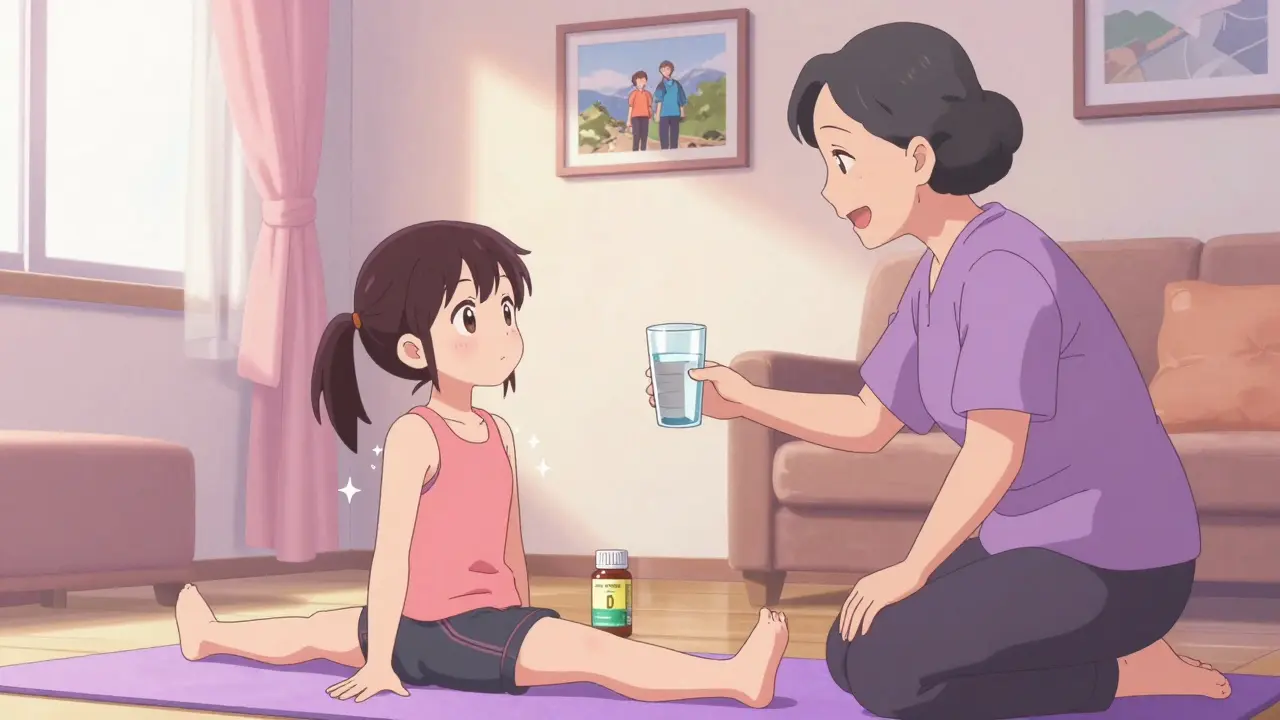
- Check your vitamin D-Low vitamin D is linked to worse statin muscle side effects. Get your levels tested. If you’re below 30 ng/mL, your doctor may recommend a supplement. Many people in Australia are deficient, especially in winter.
- Switch statins if needed-Not all statins are the same. Hydrophilic statins like pravastatin and rosuvastatin are less likely to enter muscle tissue. Studies show they cause 23% fewer muscle symptoms than lipophilic ones like simvastatin or atorvastatin. Talk to your doctor about switching if you’re having trouble.
- Avoid combining with fibrates-If you’re also taking a fibrate (like gemfibrozil) for triglycerides, your risk of serious muscle damage jumps 3 to 5 times. This combo should be avoided unless absolutely necessary.
- Watch for red flags-Normal soreness fades in 2-3 days. If your muscles are painfully sore for more than 72 hours, or if your urine turns dark like cola, stop exercising and call your doctor. That could be rhabdomyolysis-a rare but serious condition.
What About Supplements Like CoQ10?
You’ve probably seen CoQ10 supplements marketed as a fix for statin muscle pain. The idea makes sense: statins lower CoQ10, so take more. But the science doesn’t support it. A 2022 review of 12 clinical trials found no clear benefit from CoQ10 supplements for statin-related muscle pain. Some people swear by it. Others feel nothing. It’s not harmful, but don’t expect miracles. Focus on the proven strategies first.What Happens If You Stop Exercising?
This is the big risk. People who quit exercise because they’re scared of muscle pain lose the very thing that protects their heart. Statins reduce heart attack risk by 25-35%. Regular exercise reduces it by 20-30%. Together, they’re a powerhouse combo. But if you stop moving, you lose the exercise benefit-and you’re still taking the statin with its side effects. One study found that 18.6% of people quit statins within the first year. Many said it was because of muscle pain. But when researchers followed up, they found most of those people could have kept going with just a few tweaks: lower intensity, better timing, or a different statin.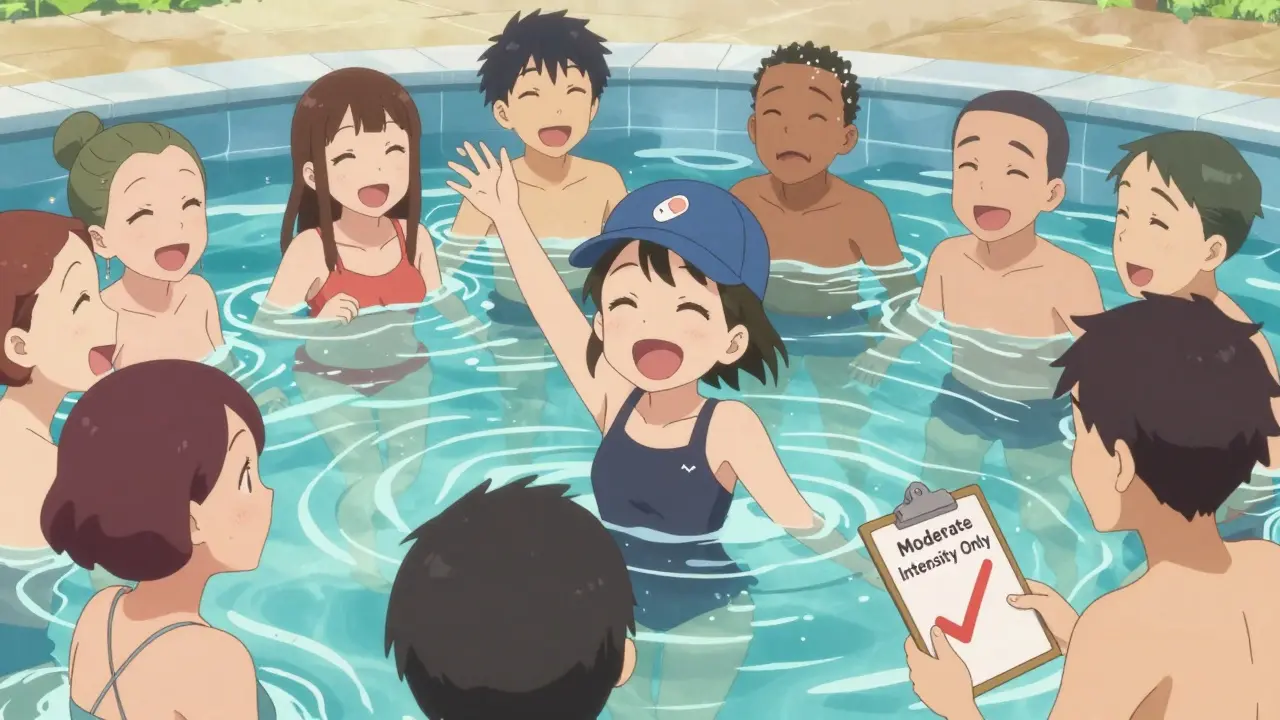
Interesting breakdown. I’ve been on rosuvastatin for three years and still do strength training twice a week. No issues. The key is consistency, not intensity. If your muscles feel off, it’s probably not the statin-it’s sleep, stress, or dehydration. I used to blame the pill until I started tracking my water intake. Game changer.
so like… statins cause muscle pain but only if you’re weak? lol. also why does every article about this sound like a pharma ad? CoQ10 is a scam, sure, but so is pretending you can just ‘switch statins’ like swapping coffee brands. my doc gave me simvastatin, i got wrecked, switched to pravastatin, still wrecked. now i just don’t work out. and i’m fine with that.
YOOOOO. STOP SCARING PEOPLE OUT OF EXERCISE. 🚨
Statins are the MVP of heart health. Exercise is the backup MVP. You don’t bench press 200 lbs on day one-you walk. You swim. You stretch. You breathe. If your legs ache, it’s not the statin-it’s your ego. Try 10 minutes of walking. Then 15. Then 20. You’ll feel better than you did when you were scared to move. I’ve seen it a hundred times. You got this. 💪
Biggest thing I learned? It’s not about avoiding soreness-it’s about listening to your body. 🙌
I used to do HIIT every morning after my statin. Felt like I’d been run over by a truck. Switched to evening walks after dinner? Zero pain. Also, vitamin D levels were trash-22 ng/mL. Took 2000 IU daily. Now I hike on weekends. Don’t overthink it. Just move. And get your D checked. It’s free with most bloodwork. ❤️
The methodology of the 2023 JACC study is flawed. The sample size is insufficient to generalize across a heterogeneous population. Furthermore, creatine kinase elevation is not a reliable surrogate marker for clinical muscle injury. The authors conflate biochemical markers with functional outcomes. The anecdotal evidence presented in online forums lacks peer review and introduces significant selection bias. One must exercise caution before recommending behavioral modifications based on low-quality evidence.
statins are a scam. big pharma invented muscle pain so you’d keep taking it and buy more supplements. coq10 is a trap. vitamin d? they sell that too. they don’t want you to know that statins were designed to make you weak so you’d need their fancy heart meds. i stopped mine. now i eat garlic, turmeric, and stare at the sun. my cholesterol’s higher but my legs don’t scream at 3am anymore. #freedom
I’ve been on atorvastatin since 2019. I walk 45 minutes every morning. Sometimes my calves feel tight, especially in winter. I don’t panic. I stretch. I hydrate. I rest a day if needed. It’s not perfect, but it’s manageable. I’m 68. I still carry my own groceries. That’s the goal, right? Not to be pain-free. To be functional.
Okay, so I’ve been thinking about this a lot because my mom is on a statin and she quit walking because she thought it was hurting her muscles, and now she’s got worse blood pressure and is more depressed. And honestly? The whole thing feels like a cultural panic. Like, we’re so afraid of discomfort that we’ve stopped trusting our bodies. I get it-muscle soreness is scary when you’re older. But the idea that you can’t move safely on statins? That’s not science. That’s fear masquerading as caution. I think we need to reframe this: it’s not about avoiding pain, it’s about learning how to move with it, not against it. And maybe, just maybe, the real enemy isn’t the statin-it’s the narrative that says you have to be perfect or you’re broken.
Walk more. Lift lighter. Check vitamin D. Switch statin if needed. Avoid fibrates. That’s it. No magic. Just basics.
Interesting how the lipid-lowering pharmacodynamics of HMG-CoA reductase inhibitors intersect with mitochondrial bioenergetics in skeletal muscle tissue. The hydrophilic-lipophilic partitioning coefficient of rosuvastatin versus simvastatin significantly alters myocellular penetration, thereby modulating the risk of statin-associated muscle symptoms (SAMS). That said, the clinical relevance of elevated CK in the absence of rhabdomyolysis remains debatable. Still, I’d argue for a personalized exercise prescription based on pharmacokinetic profiles. Just saying.
They told me statins were safe. They lied. I did HIIT for six months. Then I couldn’t walk down my own stairs. My urine looked like motor oil. I went to the ER. They said it was ‘rare.’ Rare? I know three people who’ve had this. And now they’re all on dialysis. Don’t let them trick you. This isn’t about ‘discomfort.’ It’s about your kidneys failing because some doctor thought you’d ‘get used to it.’
OMG YES. I switched from simvastatin to pravastatin and started swimming 🏊♀️💖
My legs stopped screaming. I’m doing 5Ks now. And I take my vitamin D every morning with my coffee ☕️🌞
Don’t quit movement. Just change how you move. You’re stronger than you think.
Why are you letting a pill dictate your life? If you’re too scared to lift weights, maybe you shouldn’t be working out at all. Statins aren’t the enemy-your laziness is. I’ve been on them for 10 years. I deadlift 300 lbs. I don’t need your ‘moderate intensity’ nonsense. If you can’t handle it, don’t blame the drug. Blame your lack of grit.
The empirical data presented fails to account for inter-individual pharmacogenomic variability in SLCO1B1 transporter expression, which is significantly overrepresented in South Asian populations. Furthermore, the recommendation to ‘switch statins’ ignores the potential for off-label prescribing complications under current U.S. insurance protocols. A systematic review of real-world outcomes is warranted before endorsing behavioral modifications based on underpowered RCTs.
statins are part of the new world order. they make you weak so you dont run from the government. coq10 is banned in 7 countries. vitamin d? they say its good but its just to make you pay for more tests. i dont move. i sit. i watch the sky. they dont want you to move. they want you to sit. and take pills. and pay. and die quietly.