
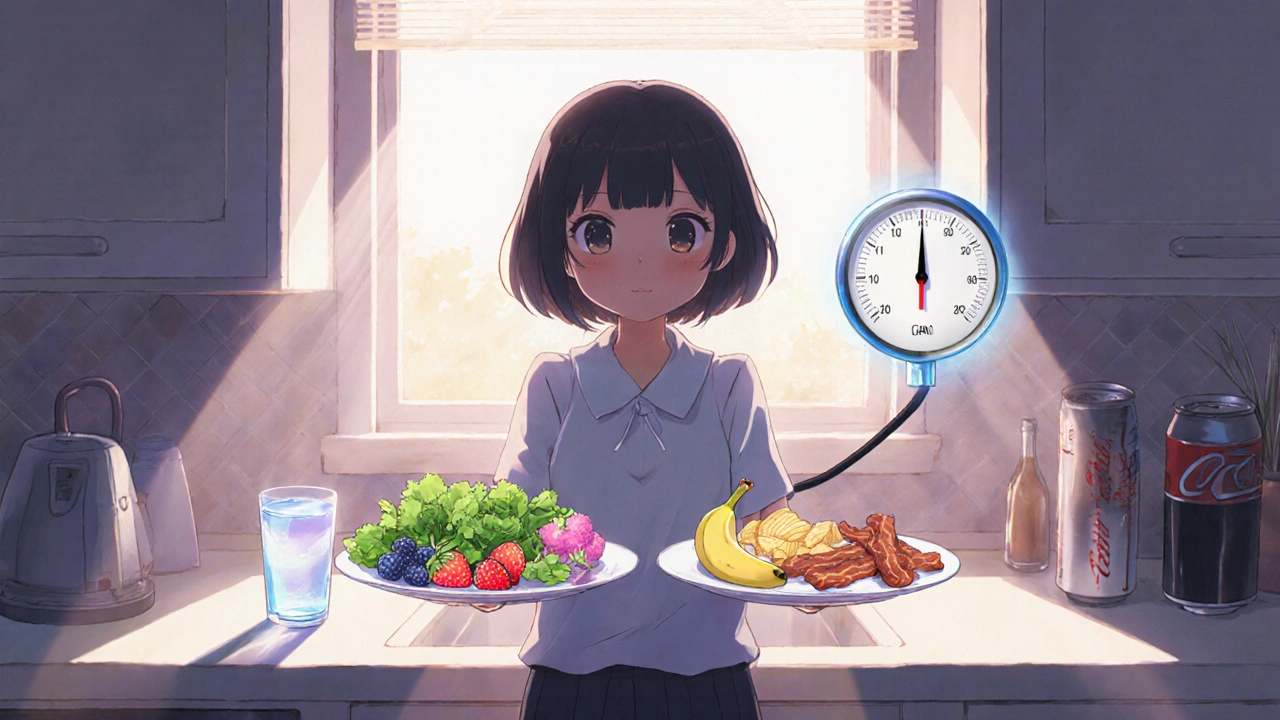
Blood Pressure Food Calculator
Track Your Daily Intake
Your Selected Foods
Daily Intake Analysis
When you hear the words Hypertension is a chronic condition where the force of blood against artery walls stays too high, putting your heart and kidneys at risk. It’s often called the "silent killer" because many people feel fine while the damage builds up. One of the simplest ways to tame those numbers is to look at what lands on your plate. Diet refers to the routine mix of foods and beverages you consume every day can either fuel the pressure rise or help pull it down. Below is a practical, no‑fluff guide that tells you exactly which foods to load up on and which to keep out of sight.
hypertension diet isn’t a fad; it’s a science‑backed approach built on decades of research.
Why food choices matter for blood pressure
Blood pressure reacts to the minerals, fiber, and overall calorie load you give it. Too much sodium pulls water into your bloodstream, expanding the volume and pushing harder against your vessel walls. Meanwhile, potassium, magnesium, and calcium act like natural vasodilators - they help arteries relax and keep the flow smooth.
Beyond minerals, the type of carbs, fats, and protein you eat influences insulin spikes and inflammation, both of which can tighten arteries over time. Swapping a sugary soda for a handful of berries can shave off a few millimetres of mercury on your sphygmomanometer reading.
Core nutrients that naturally lower blood pressure
- Sodium an essential electrolyte that, in excess, raises blood volume and pressure - aim for less than 1,500 mg/day for optimal control.
- Potassium helps balance sodium levels and eases tension in vessel walls - target 4,700 mg/day (bananas, potatoes, beans).
- Magnesium supports smooth muscle function and can modestly reduce systolic pressure - good sources are nuts, seeds, whole grains.
- Calcium works with magnesium to regulate vascular tone - dairy, fortified plant milks, leafy greens.
When these minerals are in balance, your blood pressure tends to stay steadier.
Eating patterns that have proven results
The two diets most often cited in research are the DASH (Dietary Approaches to Stop Hypertension) plan and the Mediterranean style. Both prioritize vegetables, fruits, whole grains, lean protein, and healthy fats while keeping added salt and sugar low.
- DASH diet a research‑backed eating plan specifically designed to lower blood pressure
- Mediterranean diet a heart‑friendly pattern rich in olive oil, fish, nuts, and plant‑based foods
Pick the one that fits your lifestyle - they overlap a lot, so you’ll get similar benefits either way.
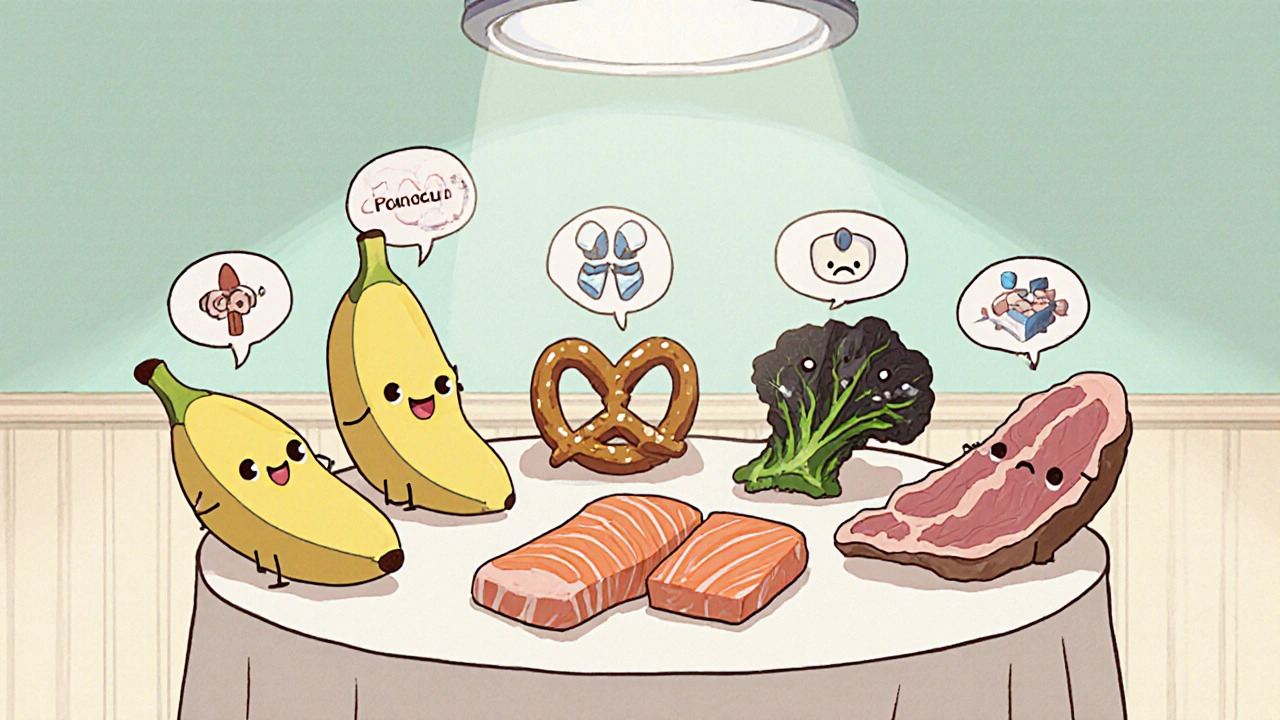
Foods to load up on
Here’s a bite‑size list of everyday items that bring potassium, magnesium, fiber, and healthy fats to the table.
- Leafy greens - spinach, kale, Swiss chard (high in potassium and magnesium)
- Whole grains - oats, quinoa, brown rice (provide magnesium and fiber)
- Legumes - lentils, chickpeas, black beans (potassium, magnesium, plant protein)
- Fresh fruit - bananas, oranges, berries, avocados (potassium, antioxidants)
- Nuts & seeds - almonds, pumpkin seeds, flaxseeds (magnesium, healthy omega‑3 fats)
- Low‑fat dairy or fortified plant milks - yogurt, kefir, soy milk (calcium, potassium)
- Fatty fish - salmon, mackerel, sardines (omega‑3s reduce inflammation)
- Olive oil - the staple fat in the Mediterranean diet, helps with blood vessel flexibility
Try to hit at least five of these categories each day for a balanced mineral boost.
Foods to ditch or limit
These culprits raise sodium or add empty calories that can spike weight - a big driver of high blood pressure.
- Processed meats - bacon, sausages, deli slices (high in salt and saturated fat)
- Packaged snacks - chips, crackers, salted pretzels (often >300 mg sodium per serving)
- Fast‑food meals - burgers, fried chicken, pizza (hidden salt, trans fats)
- Sugar‑sweetened beverages - sodas, energy drinks (raise insulin, add calories)
- Full‑fat dairy & cheese in excess (high in saturated fat, can add sodium)
- Alcohol - more than two drinks a day can raise blood pressure
- Excessive caffeine - can cause short‑term spikes; limit to 200 mg daily
That doesn’t mean you have to quit forever, just keep portions small and frequency low.
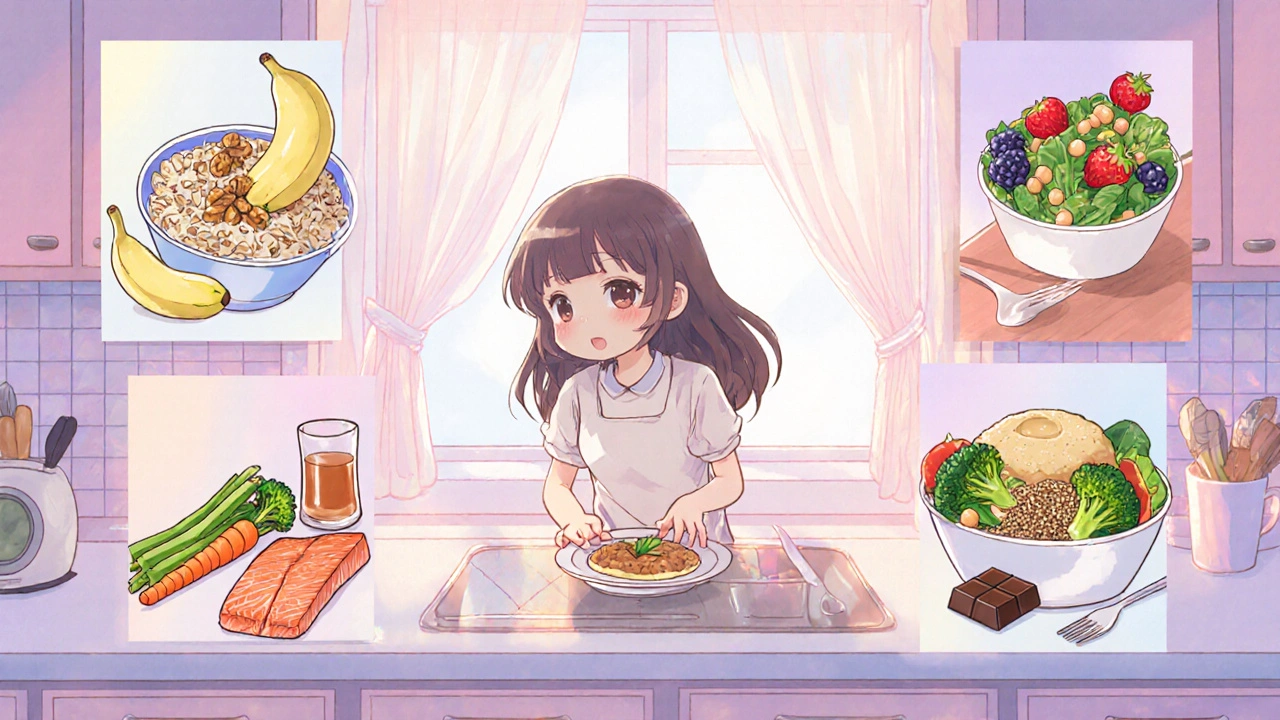
Sample daily plate for blood‑pressure control
- Breakfast: Oatmeal topped with sliced banana, a handful of walnuts, and a splash of unsweetened almond milk.
- Mid‑morning snack: Greek yogurt with fresh berries.
- Lunch: Mixed‑green salad (spinach, arugula) tossed with chickpeas, cherry tomatoes, cucumber, olives, and a drizzle of olive oil‑lemon dressing. Add a side of quinoa.
- Afternoon snack: Carrot sticks with hummus.
- Dinner: Grilled salmon, steamed broccoli, and a sweet‑potato mash (no added butter).
- Evening treat: A small square of dark chocolate (70% cocoa) and a cup of herbal tea.
This menu keeps sodium under 1,300 mg while packing potassium, magnesium, and fiber.
Quick reference: Eat vs. Avoid table
| Category | Eat (✔) | Avoid (✖) |
|---|---|---|
| Vegetables | Leafy greens, broccoli, carrots | Pickled veggies with added salt |
| Fruits | Bananas, berries, oranges | Canned fruit in syrup |
| Protein | Legumes, fish, skin‑less poultry | Processed meats, fried chicken |
| Dairy | Low‑fat yogurt, fortified soy milk | Full‑fat cheese (large servings) |
| Fats | Olive oil, nuts, seeds | Butter, palm oil, deep‑fried foods |
| Beverages | Water, herbal tea, sparkling water | Sodas, energy drinks, excessive coffee |
Common pitfalls and how to stay on track
- Reading labels: Look for “sodium” listed under 140 mg per serving - that’s roughly 5 % of the daily limit.
- Restaurant meals: Ask for sauces on the side and request “no added salt.” Many places will accommodate.
- Cooking at home: Use herbs, garlic, lemon, and spices instead of salt. A pinch of sea salt can be replaced with a sprinkle of smoked paprika for flavor.
- Portion control: Even healthy foods add up if you eat too much. Use the plate method: half veggies, quarter lean protein, quarter whole grains.
- Consistent monitoring: Check your blood pressure at the same time each day - morning after waking is ideal. Track trends, not single readings.
By turning these habits into routines, you’ll keep the pressure down without feeling restricted.
Bottom line: Small swaps, big impact
Changing a few ingredients in your daily meals can lower systolic pressure by 5‑10 mm Hg - a difference that cuts heart‑attack risk dramatically. Think of each swap as a tiny lever that, over months, moves your whole health trajectory.
How many servings of fruit should I aim for each day?
Aim for 2-3 cups of fruit daily. A medium banana, a cup of berries, or a small apple each count as one cup.
Can I still enjoy a glass of red wine?
Yes, but keep it to one 5‑oz glass per day. Excess alcohol can raise blood pressure and offset the benefits of the antioxidants.
Is low‑sodium salt a good substitute?
Low‑sodium salts replace some sodium chloride with potassium chloride. They help reduce total sodium intake but watch your potassium if you have kidney issues.
What’s the best way to read sodium on a nutrition label?
Find the “Sodium” line under the “Total Carbohydrate” section. Compare it to the 2,300 mg daily limit - lower is better, especially if you have hypertension.
Do I need a dietitian to follow this plan?
A professional can personalize portions, but the food lists here are safe for most adults. Start with the basics, then tweak as needed.
Nice overview, I’ll try the DASH diet.
Oh sure, because reading another diet guide will magically fix everything. The guide is full of the usual hype, and honestly it feels like a rehash of what every nutrition blog already repeats. Maybe if you actually *lived* the changes instead of just copying the list, you'd see results. Still, good luck with the salad‑only lifestyle.
Honestly this guide is wack! If you think eating kale will save you from the real enemies we face, you are deluded. Our nation needs true patriots, not some foreign diet fad. Eat real meat, not those weak plant jokes. The blood pressure thing is just a distraction from real issues.
Well, look at that, someone actually gave us a solid plan 😏. I love how they keep it simple – veg, fruit, nuts, and even a little chocolate! Remember, we’re all in this together, so let’s swap those salty chips for carrot sticks 🚀. Keep the vibes high and the sodium low!
The guide covers the basics, but it glosses over the importance of timing meals around medication. Consistency in sodium intake is critical, and the suggested 1,500 mg may be unrealistic for many. Focus on practical portion control rather than just listing foods.
Yo, they dont tell u that the government adds sodium to everything on purpose. The so called "research" is just a cover up for the pharma cartel. Drink water, dont trust the label. Keep an eye out for the hidden salts, they are everywhere.
Here’s a quick cheat sheet for daily meals try to include at least five food groups keep sodium below 1500mg add potassium rich foods like bananas and leafy greens stay hydrated and track your blood pressure readings each morning for consistency you’ll see gradual improvements.
Super excited to see so many folks actually caring about their health – sarcasm aside, it's a solid start. Keep pushing those good habits, even if the world feels like a mess.
Delighted to see such an articulate summary – truly, it captures the essence of nutritional science. While I appreciate the thoroughness, I’d suggest a refinement of the language to match the sophistication of the topic. Nonetheless, well done.
Thank you for the courteous contribution. Your suggestions are most beneficial, and I trust they will aid many in achieving healthier blood‑pressure levels.
I hear the frustration, but the guide actually gives practical steps. It's not perfect, yet it’s a solid starting point for many. Keep an open mind while you explore the options.
Let me break this down for everyone, because clearly the average reader needs a thorough education. First, the premise that a simple swap of potatoes for quinoa will "magically" reduce systolic pressure is oversimplified. Real physiological change requires sustained adherence to a diet low in sodium and high in potassium, magnesium, and calcium, not occasional "cheat days." Second, the article neglects the role of stress management – chronic cortisol spikes can neutralize any dietary gains. Third, the recommended sodium ceiling of 1,500 mg is based on the DASH trial, yet many populations cannot realistically achieve this without sacrificing culinary enjoyment, leading to compliance failure. Fourth, the guide omits discussion of potassium‑rich alternatives that are culturally relevant to diverse communities; for instance, tamarind‑based dishes can be incorporated for flavor without excess salt. Fifth, the emphasis on olive oil is commendable, but they fail to address the economic barrier for low‑income families – extra‑virgin olive oil can be prohibitively expensive. Sixth, the claim that “fatty fish reduces inflammation” is accurate, yet the guide neglects sustainable sourcing concerns; over‑fishing is a real issue that cannot be ignored. Seventh, the guide’s sample menu is overly prescriptive; personalization based on individual caloric needs, activity level, and comorbidities is essential. Eighth, the article glosses over the importance of regular blood‑pressure monitoring, which is vital for assessing the efficacy of dietary changes. Ninth, while the guide mentions “low‑fat dairy,” it does not explore fortified plant‑based alternatives for those with lactose intolerance, a common condition worldwide. Tenth, the guidance around alcohol is simplistic – the interaction between moderate wine consumption and hypertension varies with genetics and medication. Eleventh, the article fails to address hidden sodium in condiments, sauces, and even “healthy” snacks, which can undermine even the best‑intentioned efforts. Twelfth, the recommendation to replace table salt with potassium chloride salts is nuanced; individuals with renal impairment must be cautious. Thirteenth, the guide could benefit from a discussion on meal timing – intermittent fasting has shown promise in some hypertension studies. Fourteenth, the psychological aspect of dietary change – using motivational interviewing techniques – is absent, limiting the guide’s practical utility. Finally, the guide’s tone is overly optimistic, bordering on naïve, whereas a realistic approach that acknowledges setbacks will foster resilience. In summary, while the guide provides a solid foundation, it requires substantial expansion to be truly effective across diverse populations.
Life is like a bowl of soup, you never know if its salty or sweet till you taste it. The hypertension guide is a map, but some roads are missing, like the hidden sugars. We must question, not just follow, because truth can be hidden in plain sight. Remember, even a tiny pinch of salt can change the whole flavor.
Honestly, the guide feels like a textbook written by a robot 🤖. Still, the tips are kinda useful if you ignore the boring parts. Keep it simple, stay healthy ✨.