
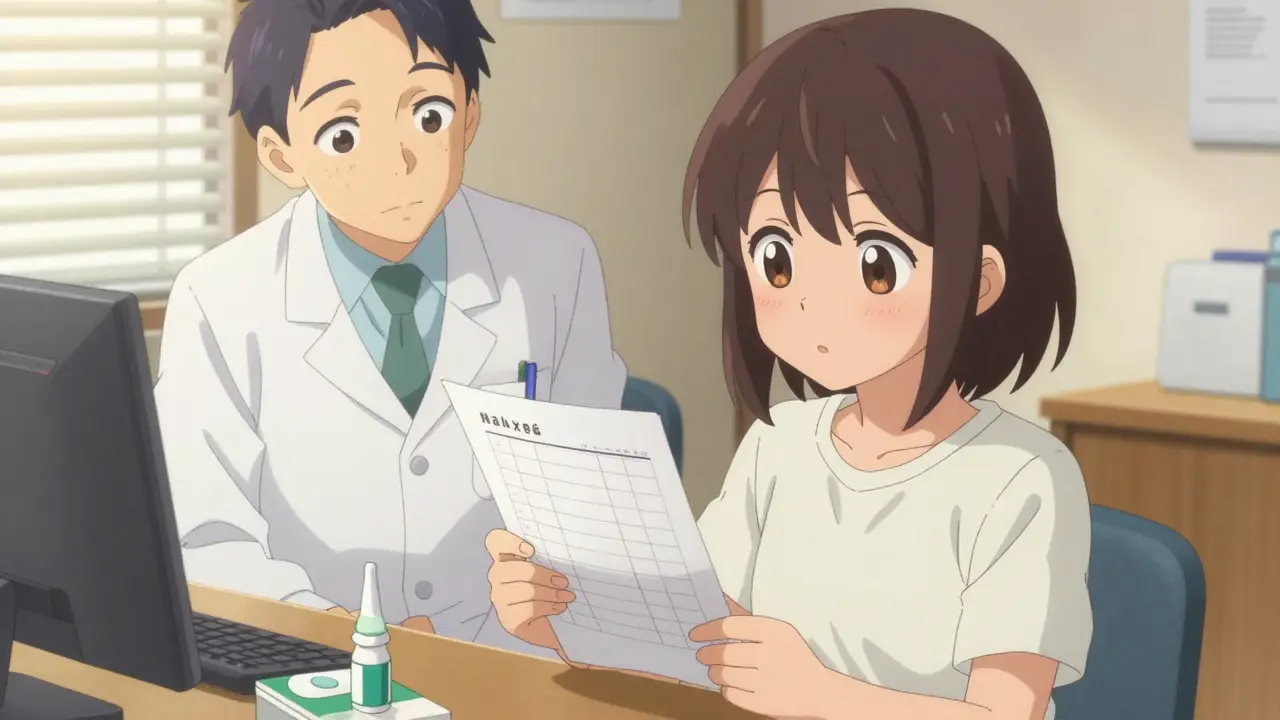
It’s not easy to bring up overdose risk with your doctor-especially if you’re taking opioids for chronic pain, or if you’ve used substances in ways that don’t match what’s considered "normal." You might fear being labeled, dismissed, or even cut off from care. But here’s the truth: overdose risk isn’t a moral failure. It’s a medical condition, and talking about it is as normal as asking about blood pressure or cholesterol.
Why This Conversation Matters More Than You Think
Every day in the U.S., 78 people die from opioid overdoses. That’s not just statistics-it’s someone’s parent, sibling, friend, or neighbor. And most of those deaths are preventable. The CDC says naloxone, the life-saving medication that reverses opioid overdoses, can stop an overdose in minutes. Yet, only about 1 in 4 people who could benefit from it actually have access. Why? Because stigma gets in the way. Many doctors still think people who use substances are "just looking for drugs" or "not trying hard enough." But research shows that when patients speak up using clear, factual language, doctors respond differently. In fact, a 2021 study in JAMA Internal Medicine found that patients who said, "I’d like to discuss overdose prevention strategies and receive naloxone as a safety measure," were 62% more likely to get it than those who just said, "I’m scared I might overdose."What to Say-And What Not to Say
The words you use make a big difference. Saying "I’m an addict" or "I can’t control my use" can trigger defensiveness. Instead, use person-first language: "I have a substance use disorder," or "I’m managing a chronic condition that includes opioid use." Here’s what works:- "I’m taking my prescription as directed, but I want to make sure I’m protected in case something goes wrong. Can we talk about naloxone?"
- "I’ve read that overdose risk can happen even when people follow their prescriptions. I’d like to have a safety plan, like we do for other chronic illnesses."
- "I’d like to discuss overdose prevention as part of my overall health care. Is naloxone something you recommend?"
- "I think I might overdose." (Too vague-it sounds emotional, not clinical.)
- "I’ve been using more than prescribed." (This can trigger guilt or shame, even if true.)
- "I’m worried people will judge me." (While valid, it puts the burden on the doctor to fix stigma, not the system.)
Prepare Before Your Appointment
Going in blind makes it harder. Take 15-20 minutes before your visit to write down:- All medications you take-prescription, over-the-counter, supplements
- Any alcohol or recreational substances you use, even occasionally
- How much, how often, and when you use them
- Any past experiences where you felt unsafe, passed out, or had someone revive you
Frame It Like Routine Care
Doctors treat diabetes with insulin, heart disease with aspirin, allergies with EpiPens. Why shouldn’t overdose prevention be part of the same model? Dr. Bobby Mukkamala from the American Medical Association says naloxone should be thought of like a fire extinguisher: "You don’t wait until the house is burning to get one. You keep it handy." Say it this way: "As part of my care plan for managing chronic pain, I’d like to include overdose prevention, just like we do with fall prevention or infection control. Can we add naloxone to my treatment plan?" This shifts the conversation from judgment to safety. It’s not about what you’ve done-it’s about what you’re doing to stay alive.What If Your Doctor Reacts Poorly?
It happens. One patient on Reddit shared that when they mentioned naloxone, their doctor asked, "Are you using heroin?" They felt humiliated and didn’t return for eight months. That’s not your fault. It’s a failure of the system. But here’s what you can do:- Stay calm. Say: "I understand this might be uncomfortable, but I’m asking because I care about my health."
- Ask: "Is there a provider here who specializes in substance use care?" Many clinics now have addiction medicine specialists.
- Request a referral. You’re allowed to ask for a second opinion.
- Take notes. Write down exactly what was said. If you feel discriminated against, you can file a complaint with the clinic’s patient advocate.
What Is Naloxone, and How Do You Get It?
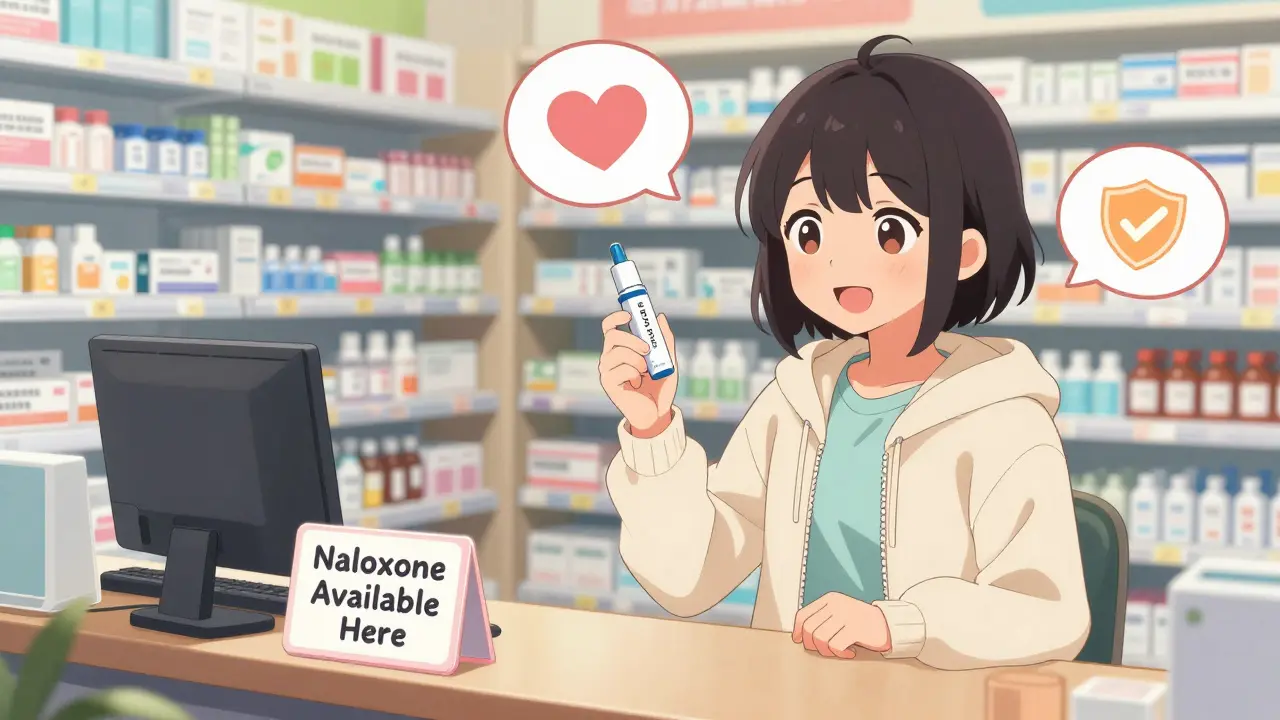
Naloxone (brand names: Narcan, Kloxxado) is a nasal spray that reverses opioid overdoses. It’s safe, non-addictive, and works even if you don’t know what drug caused the overdose. Since July 2023, generic naloxone costs as little as $25 per kit-down from $130. In many states, you can walk into a pharmacy and get it without a prescription. Some pharmacies even give it out for free. If your doctor won’t prescribe it, ask: "Can you write me a prescription for naloxone, or refer me to a pharmacy where I can get it directly?" Many states now allow pharmacists to dispense it under standing orders.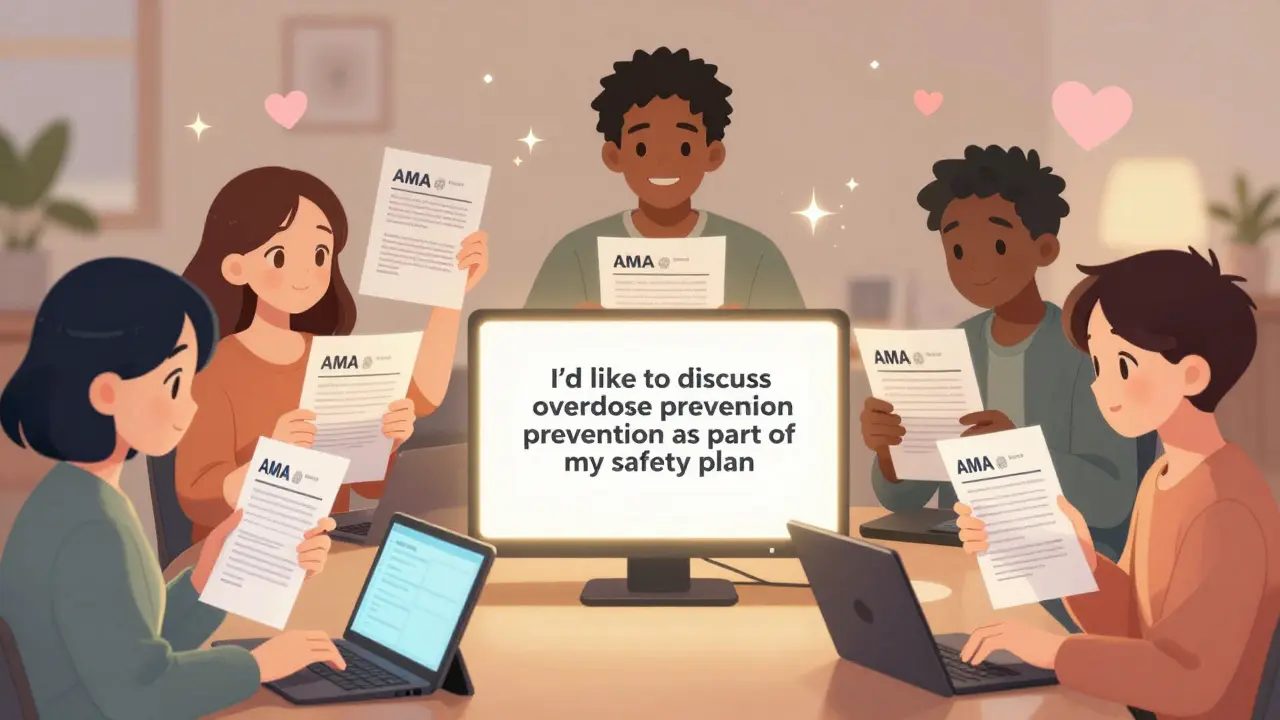
Support Is Out There-You Don’t Have to Do This Alone
You’re not the only one struggling with this. In 2022, the Substance Abuse and Mental Health Services Administration (SAMHSA) received nearly 300,000 calls to their free national helpline (1-800-662-HELP) from people preparing for medical appointments. Organizations like SMART Recovery host weekly online meetings just for people getting ready to talk to doctors. They practice scripts, role-play tough conversations, and share what worked. The CDC’s Stigma Reduction Toolkit and the American Medical Association’s patient guide (available in 12 languages) give you exact phrases to use. You don’t have to guess. You can bring printed copies to your appointment.This Isn’t Just About You-It’s About Changing the System
Every time you speak up, you help break the cycle. When patients ask for naloxone, doctors start seeing it as standard care-not a sign of failure. When clinics see more requests, they train more staff. When more doctors get trained, stigma drops. The 2025 rollout of the Substance Use Disorder Integrated Care Model will tie 15% of Medicare reimbursement to how well providers reduce stigma. That means change is coming-and your voice is part of making it happen.What to Do Next
1. Write down your medication timeline-include everything, even if you think it’s "not important." 2. Pick one phrase from this article to use: "I’d like to discuss overdose prevention as part of my safety plan." 3. Call your pharmacy and ask if they carry naloxone. If they do, get one-no prescription needed in most places. You don’t need permission to protect your life. You don’t need to be "perfect" to deserve care. You just need to speak up.Can I get naloxone without a prescription?
Yes. In all 50 U.S. states and many countries, naloxone is available over the counter at pharmacies like CVS, Walgreens, and Walmart. Some pharmacies offer it for free or at low cost through public health programs. You can also order it online from approved distributors.
Will my doctor think I’m using drugs illegally if I ask about overdose risk?
Some might, but that says more about them than you. Studies show that when patients use clear, factual language-like "I’m managing a substance use disorder" and "I’d like naloxone as a safety tool"-doctors are far less likely to assume illegal use. If you’re taking prescribed medication as directed, you’re not doing anything wrong. You’re being responsible.
Is it safe to have naloxone at home if I’m not using opioids?
Absolutely. Naloxone is safe for anyone to have. It only works on opioids and has no effect if opioids aren’t present. Many people keep it on hand because fentanyl is now found in counterfeit pills, cocaine, and even some prescription drugs. Having naloxone is like having a smoke detector-you hope you never need it, but you’re glad it’s there.
What if my doctor refuses to talk about this?
You have the right to care that respects your dignity. Ask for a referral to a provider trained in addiction medicine. Many clinics now have specialists who focus on substance use. You can also contact SAMHSA’s helpline (1-800-662-HELP) for free, confidential help finding a provider who understands stigma and knows how to respond.
Does asking for naloxone mean I’m addicted?
No. Addiction is a medical diagnosis based on behavior, not on whether you ask for safety tools. Many people with chronic pain who take opioids long-term ask for naloxone-not because they’re addicted, but because they know the risks. It’s the same as asking for a defibrillator if you have heart disease. It’s about preparedness, not judgment.
Just got my naloxone kit from CVS today-no prescription, $15, and the pharmacist gave me a high-five. Seriously, if you’re even slightly worried, just go get it. It’s not a badge of shame, it’s a life insurance policy. I’ve got one in my car, my backpack, and my partner’s coat pocket. Better safe than sorry.
I used to avoid talking to my doctor about this because I didn’t want to seem like I was "failing." But after reading this, I wrote down my meds, my alcohol use, and my past near-misses. I said exactly: "I’d like to discuss overdose prevention as part of my safety plan." They handed me naloxone before I left. Turned out they’d been waiting for someone to ask.
Oh wow, another guilt-trip disguised as medical advice. "Use person-first language"? Please. If you’re using opioids outside a prescription, you’re not "managing a chronic condition," you’re self-medicating. And naloxone isn’t a fire extinguisher-it’s a band-aid on a hemorrhage. Stop pretending this is just about "safety." It’s about enabling.
While the sentiment behind this article is commendable, I must respectfully emphasize that the clinical efficacy of non-stigmatizing language in clinical practice remains empirically contested. Although anecdotal evidence suggests improved patient-provider rapport, peer-reviewed longitudinal studies on the impact of phrasing such as "I’m managing a substance use disorder" on naloxone prescription rates remain sparse. Furthermore, the conflation of harm reduction with medical normalization may inadvertently obscure the underlying pathophysiological complexities of opioid dependence.
Look, I’ve been to 12 different doctors about this. Half of them acted like I was trying to score heroin. The other half just nodded and wrote me a script for more opioids. Naloxone? Yeah, I’ve got two kits. One in my glovebox, one taped under my sink. And guess what? I didn’t need to say "I have a substance use disorder." I just said, "My cousin OD’d last year. I don’t want to be next." That’s all it took. No jargon. No therapy-speak. Just honesty. You don’t need a script. You need guts.
You Americans think this is unique. In Nigeria, we don’t have naloxone at pharmacies. We have traditional healers who use goat blood and chants. And yes, people die. But you think saying "I’m managing a chronic condition" will change anything? The problem isn’t stigma-it’s infrastructure. No pharmacy, no training, no funding. Your words are beautiful. Your system is broken. Stop romanticizing language as a cure. Fix the system first.
Person-first language? Please. The CDC’s 2021 study was funded by harm reduction NGOs. And naloxone distribution? It’s a taxpayer-funded placebo. If you’re taking opioids long-term, you’re already in the danger zone. Stop pretending this is about safety. It’s about avoiding accountability. Just admit you’re dependent and get into rehab. No magic phrases fix addiction.
I’m from India, and I’ve seen this play out with pain meds here too. Doctors here are terrified to talk about addiction. But I showed my uncle this article-he’s on oxycodone for back pain-and he printed it out, took it to his doctor, and asked for naloxone. The doctor was stunned. Then he said, "I didn’t know this was possible." Now he’s training his whole clinic. You’re not just saving yourself-you’re teaching others how to care. That’s the real win.
Wait-this whole thing is a government psyop. Naloxone is just the first step. Once you’re used to having it, they’ll start requiring you to carry it everywhere. Then they’ll track your pharmacy purchases through the National Opioid Registry. Then they’ll link it to your Social Security number. Then they’ll start denying you insurance if you "choose" to use opioids. This isn’t about safety-it’s about control. The CDC, AMA, and Big Pharma are in bed together. They want you dependent. They want you afraid. They want you to beg for a spray bottle so you never question why you’re on opioids in the first place. Wake up. This is how they normalize surveillance. And you’re handing them the keys.