
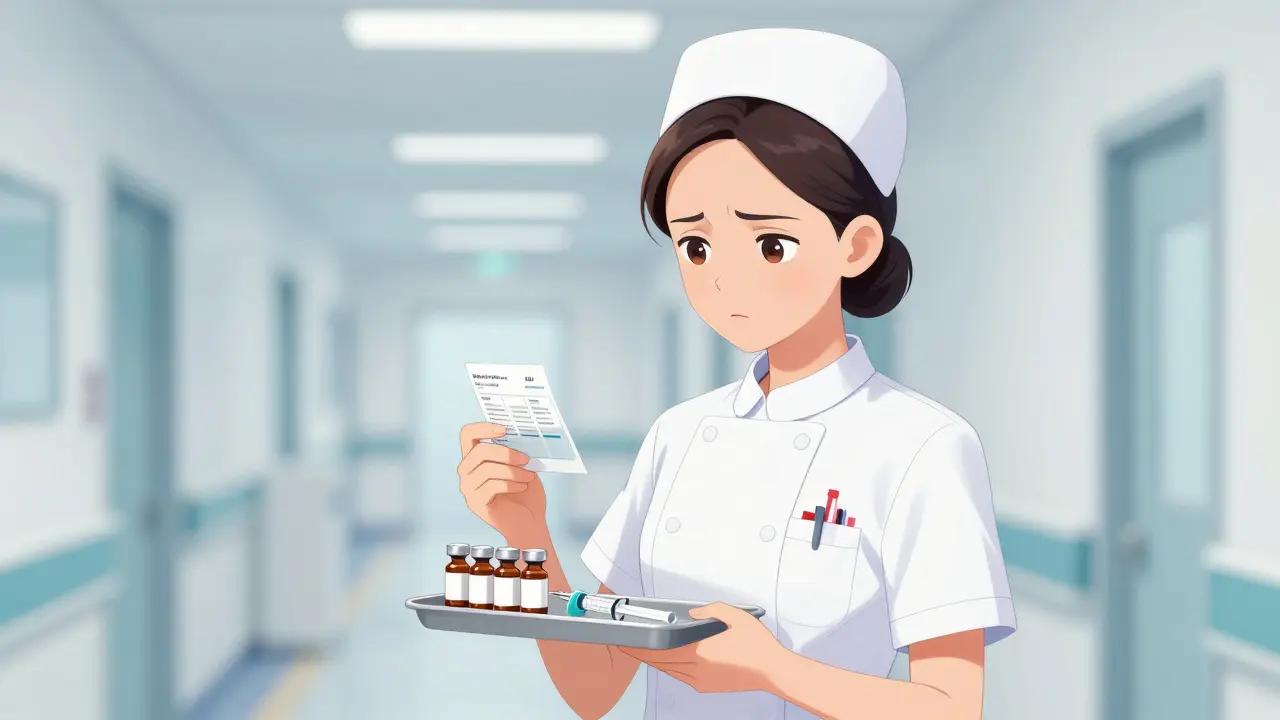
Imagine a scenario where a decimal point is misplaced on a dose of insulin or a chemotherapy drug is administered at the wrong rate. In a fast-paced hospital environment, these tiny slips aren't just "mistakes"-they can be fatal. This is why healthcare systems don't rely on a single person's memory or eyesight when dealing with certain drugs. To stop dispensing errors from reaching the patient, clinics and hospitals use a system of high-alert lists and strict verification protocols.
What exactly are high-alert medications?
Not every drug in the pharmacy requires a second pair of eyes, but some are far more dangerous if handled incorrectly. The Institute for Safe Medication Practices (ISMP) defines these as high-alert medications. Essentially, these are drugs that bear a heightened risk of causing significant patient harm when used in error. The danger isn't necessarily that the drug is "toxic" in a general sense, but that the window between a therapeutic dose and a lethal one is incredibly narrow.
For instance, Potassium Chloride concentrate is a classic example. If pushed too quickly into a vein, it can stop a heart instantly. Because the consequences of a mistake are so severe, these medications trigger a completely different set of rules than a standard antibiotic or blood pressure pill.
The gold standard: Independent Double Checks (IDCs)
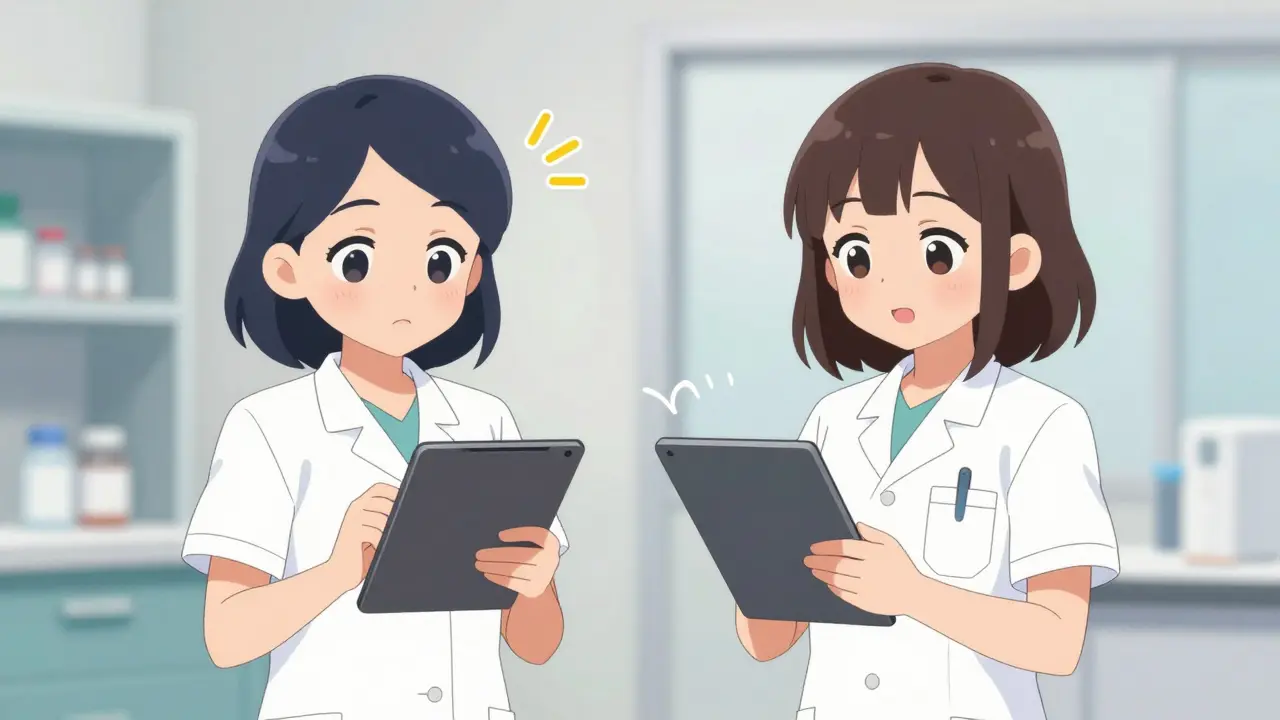
When a drug is flagged as high-risk, the standard safety move is the Independent Double Check (IDC). Now, a "double check" isn't just having a colleague glance at a syringe and say, "Looks good to me." That's a jointly performed check, and it's prone to confirmation bias-where the second person simply sees what the first person wants them to see.
A true Independent Double Check requires the second clinician to perform the entire calculation and verification from scratch without seeing the first person's work. They look at the original order, calculate the dose themselves, and verify the drug's identity independently. Only when both people arrive at the exact same result is the medication cleared for administration.
| Medication Category | Typical High-Risk Examples | Risk of Error | Critical Verification Point |
|---|---|---|---|
| Insulins | Rapid-acting, Long-acting | Severe Hypoglycemia | Dose calculation and concentration |
| Anticoagulants | Heparin | Uncontrolled Bleeding | Infusion rate and drip calculations |
| Opioids | IV Morphine, Fentanyl | Respiratory Depression | Concentration and route of delivery |
| Chemotherapy | Antineoplastic agents | Systemic Toxicity | Patient ID and drug specific protocol |
The 'Nine Rights' of Medication Safety
Verification isn't just about the dose; it's about the entire context of the administration. Most hospitals follow the "Nine Rights" to ensure nothing is missed during the double-check process. If any one of these is off, the medication is not administered.
- Right Patient: Using at least two identifiers (like name and date of birth) to ensure the drug goes to the correct person.
- Right Drug: Verifying the label against the order to avoid "look-alike, sound-alike" errors.
- Right Dose: Recalculating the amount to be given, especially in pediatric or neonatal care.
- Right Route: Ensuring a drug meant for the skin isn't given intravenously.
- Right Time: Confirming the drug is given at the correct interval.
- Right Documentation: Recording the dose immediately after verification.
- Right Reason: Confirming the drug is being given for the intended clinical purpose.
- Right Response: Monitoring the patient to see if the drug is working as expected.
- Right to Refuse: Respecting the patient's autonomy to decline the medication.
Challenges in the real world: Why checks fail
On paper, the IDC system is foolproof. In a chaotic emergency room or a short-staffed ward, it's a different story. Research shows a troubling trend: nurses often skip double checks when the workload is too high. Some surveys suggest that over 60% of nurses have bypassed a required check during peak hours, often because there simply wasn't a second qualified person available to witness the dose.
This creates a "false sense of security." When a process becomes a mindless routine or a "checkbox exercise," clinicians stop thinking critically. If the second checker is just signing off on the first person's work without actually doing the math, the safety net is gone. This is exactly why experts are moving away from "blanket" double checks for everything and instead focusing on the most dangerous points of the process.
Moving toward technology-driven safety
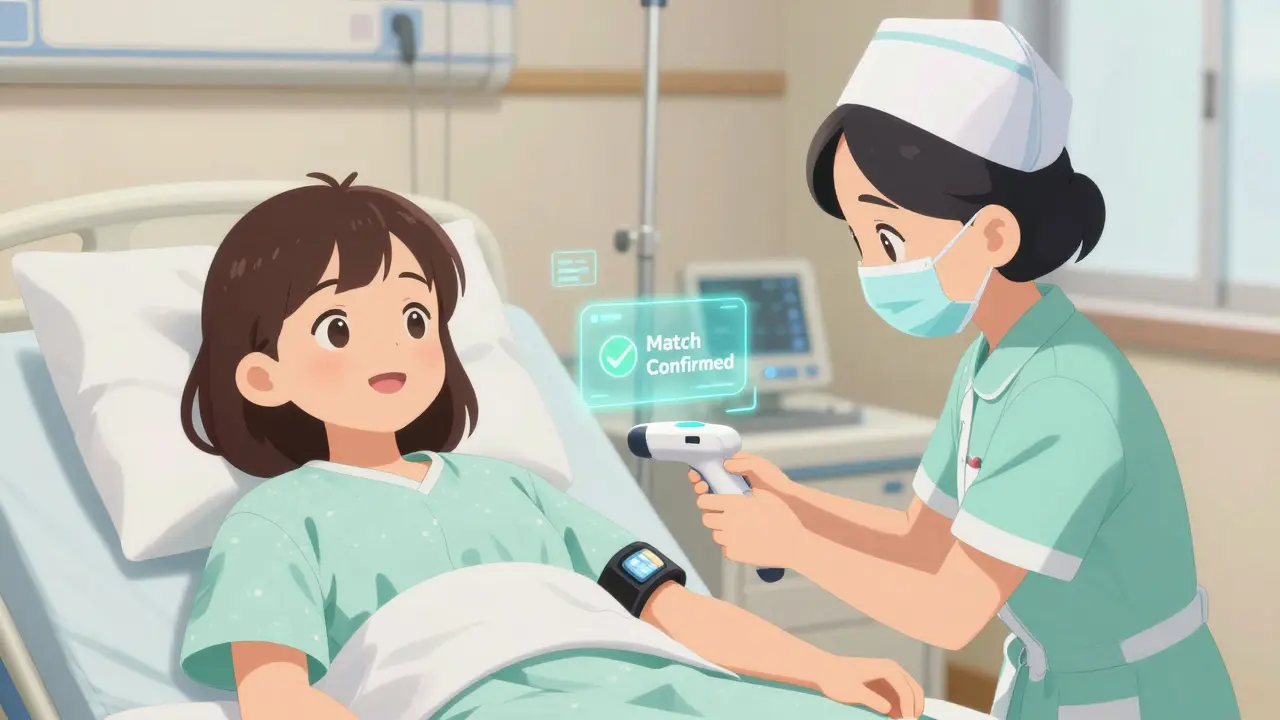
Humans are great at judgment, but we're bad at repetitive math and remembering every single drug interaction. That's why Bedside Barcode Scanning is replacing many manual checks. By scanning the patient's wristband and then the medication barcode, the computer can instantly flag a mismatch in dose, drug, or patient. This removes the human error associated with confirmation bias.
We're also seeing the rise of Autoverification systems. These integrate the Electronic Health Record (EHR) with pharmacy software to bypass certain manual steps if the order perfectly matches the clinical protocol. However, technology isn't a total replacement. For complex tasks like programming an infusion pump for a high-dose heparin drip, a human-to-human manual check is still the most reliable way to catch a typo.
Why can't we just double-check every single medication?
Doing so creates "alert fatigue." When clinicians have to double-check every trivial medication, they spend less time on the ones that actually matter. It also slows down patient care and leads to staff burnout and a higher likelihood of skipping checks altogether.
Who is qualified to perform a double check?
It depends on the facility's policy, but generally, it must be a licensed professional capable of performing the calculation. This usually includes Registered Nurses (RNs), Pharmacists, and Prescribers (MDs, DOs, or PAs). A nursing assistant or an unlicensed technician typically cannot serve as the independent verifier for high-alert drugs.
What happens if the two checkers disagree?
If there is any discrepancy, the medication must not be administered. The team must stop, re-verify the original physician's order, and if necessary, consult a pharmacist to determine the correct dose. The process only proceeds once both checkers are in total agreement.
Are chemotherapy drugs always high-risk?
Yes. Due to their narrow therapeutic index and the potential for severe systemic toxicity, chemotherapy agents almost always require dual verification of the drug name, dose, volume, and the patient's identification before administration.
Does barcode scanning completely replace the need for a second person?
Not entirely. While barcode scanning is better at catching "wrong drug" or "wrong patient" errors, it cannot always catch "wrong pump setting" or "wrong concentration" errors if the medication was prepared incorrectly before it reached the bedside.
Next steps for healthcare teams
If you're managing a clinical team or working in a pharmacy, the goal should be a "lean" safety strategy. Instead of forcing a second signature on every chart, identify the specific "vulnerability points" in your workflow. Is the error most likely to happen during the pharmacy draw, the pump programming, or the patient identification phase?
Focus your manual IDCs there. Combine this with barcode technology and regular training on the "Nine Rights." The ultimate aim is to move from a culture of "following rules" to a culture of "active catch," where every staff member feels empowered to stop the line if something doesn't look right, regardless of how busy the ward is.