

When someone who drinks heavily every day suddenly stops, their body doesn’t just feel shaky-it goes into survival mode. And the liver, which has been working overtime to break down alcohol for years, is caught in the crossfire. This isn’t just about hangovers or irritability. It’s about whether your liver can heal-or if it’s pushed closer to failure. Alcohol withdrawal isn’t something to tough out alone. Especially if your liver is already damaged. The good news? With the right approach, your liver can recover. The bad news? Doing it wrong can make things worse, sometimes dangerously so.
What Happens to Your Liver When You Stop Drinking?
Your liver processes about 90% of the alcohol you consume. It turns ethanol into acetaldehyde, a toxic byproduct, then into acetate, which your body can use for energy. But when you’ve been drinking heavily for months or years, this system gets overwhelmed. Fat builds up. Inflammation sets in. Scarring starts. This is called alcohol-related liver disease (ALD), and it can range from fatty liver to alcoholic hepatitis to cirrhosis.
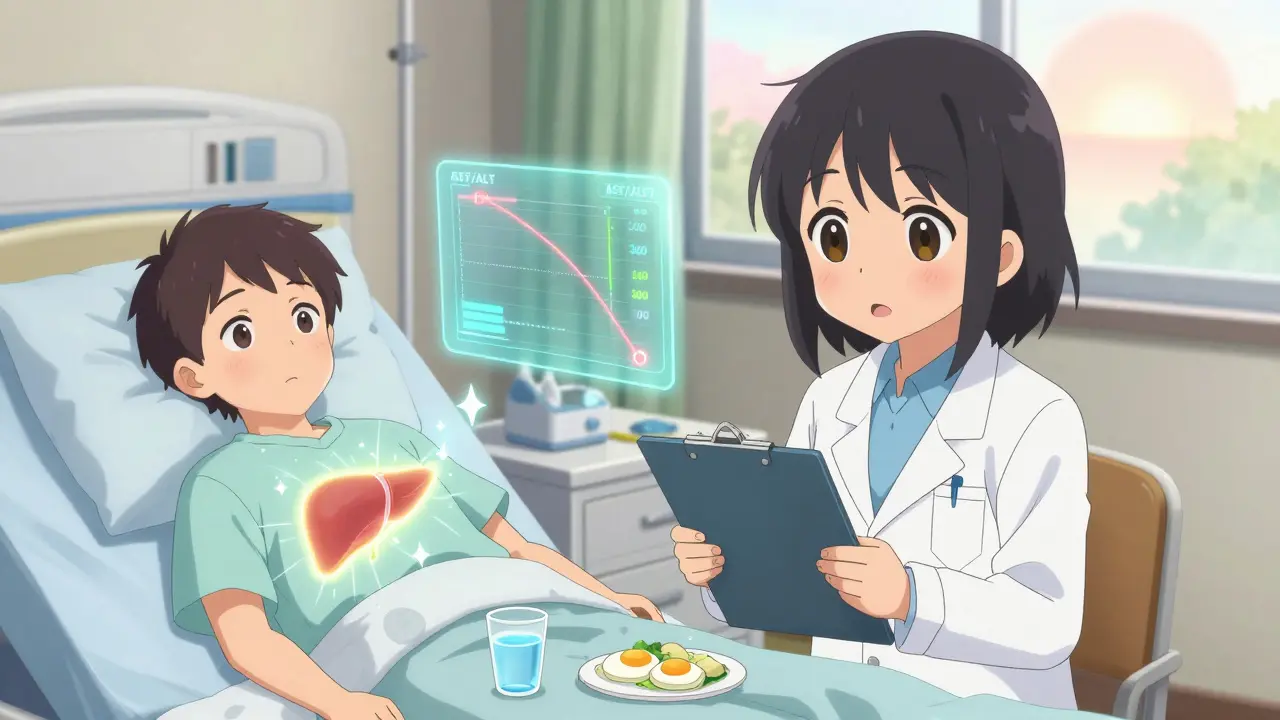
When you quit, your liver doesn’t magically fix itself. In fact, the first few days after stopping can be risky. Research shows that within the first week of withdrawal, liver enzymes like AST and ALT often spike-sometimes by 30% or more-even though you’re no longer drinking. Why? Because your body’s metabolism shifts. Blood flow to the liver changes. The liver, already stressed, now has to handle withdrawal symptoms, detox, and repair all at once.
This is why quitting cold turkey without support can backfire. That spike in liver enzymes isn’t a sign of improvement-it’s a warning. It means your liver is under strain. And if you’re not careful, you could trigger more damage instead of healing.
Why Medical Supervision Isn’t Optional
Alcohol withdrawal can be deadly. About 5% of people with severe dependence develop delirium tremens-confusion, seizures, hallucinations, rapid heartbeat, and high blood pressure. It’s a medical emergency. But even if you don’t get delirium tremens, your liver is still at risk.
Studies show that medically supervised detox has a 95% safety rate. Unsupervised detox? Only 65%. That’s not a small gap. It’s the difference between surviving and ending up in the ICU.
Doctors use benzodiazepines like chlordiazepoxide to calm the nervous system and prevent seizures. These aren’t addictive in this short-term, controlled setting-they’re lifesavers. Without them, your body’s overactive stress response can trigger dangerous spikes in blood pressure and heart rate, which also stress your liver.
But here’s what most people don’t know: your liver is extra sensitive to toxins during withdrawal. That means even a normal dose of acetaminophen (Tylenol or paracetamol) can cause serious harm. One study found that people who took just 1-2 grams of acetaminophen a day during early withdrawal had the biggest rise in liver enzymes of anyone in the study. That’s less than what’s in two extra-strength pills. So if you’re trying to manage withdrawal headaches or muscle pain, don’t reach for Tylenol. Talk to your doctor first.
The Real Timeline of Liver Recovery
How long does it take for your liver to heal? It depends on how damaged it was to begin with.
If you have early-stage fatty liver, stopping alcohol for just 6 weeks can lead to noticeable improvement. Liver enzymes start to drop within 7-14 days. You might feel better. Your skin might clear up. Your energy returns. That’s your liver starting to repair itself.
But if you have alcoholic hepatitis-or worse, cirrhosis-6 weeks isn’t enough. You need lifelong abstinence. There’s no “moderate drinking” option here. The liver can regenerate, but only if you stop the damage. Once scarring becomes advanced, it can’t be undone. The goal shifts from healing to preventing further decline.
Research published in Scientific Reports in 2021 showed that even people with severe alcohol-related liver damage saw major improvements in liver function within 3-12 months of complete abstinence. That’s not a promise-it’s a pattern seen in hundreds of patients. But only if they stayed sober.
Don’t be fooled by quick fixes. There’s no magic supplement or cleanse that reverses cirrhosis. The only proven treatment? Stop drinking. And do it safely.
What You Need to Eat and Take During Detox
Alcohol depletes your body of nutrients. And when you stop drinking, your liver needs fuel to repair itself. Without proper nutrition, recovery stalls.
First, protein. Your liver needs high-quality protein to rebuild tissue. Aim for 1.2 to 1.5 grams of protein per kilogram of body weight every day. That’s about 80-100 grams for a 150-pound person. Eggs, lean meats, fish, tofu, lentils, and Greek yogurt are great sources.
Second, thiamine (vitamin B1). Heavy drinkers are often severely deficient. Low thiamine can lead to Wernicke-Korsakoff syndrome-a brain disorder that causes memory loss, confusion, and even permanent damage. Doctors give 500mg of IV thiamine daily for the first 3-5 days of detox. After that, oral supplements continue for weeks.
Third, N-acetylcysteine (NAC). This antioxidant helps your liver make glutathione, one of its main detox chemicals. A 2021 clinical trial found that people who took NAC during withdrawal had 30% less liver enzyme elevation than those who didn’t. It’s not a cure, but it reduces stress on the liver during the most vulnerable time.
And skip the “liver cleanse” teas and detox powders. They don’t work. Some even contain herbs that can harm your liver further. Stick to science-backed support: food, vitamins, and medical care.
The Hidden Dangers You Can’t Ignore
Most people focus on the physical symptoms of withdrawal: shaking, sweating, nausea. But the silent threats are more dangerous.
One is medication. As mentioned, acetaminophen is a big risk. But so are certain antibiotics, painkillers, and even some herbal supplements. Always check with your doctor before taking anything-prescription or over-the-counter.
Another is dehydration. Alcohol is a diuretic. When you stop, your body is still trying to rebalance fluids. Drink water. Eat fruits and vegetables. Avoid caffeine and sugary drinks-they worsen anxiety and disrupt sleep.
And then there’s the emotional side. Withdrawal brings anxiety, depression, and insomnia. These aren’t just uncomfortable-they’re relapse triggers. Without counseling or support groups, 70% of people who complete detox end up drinking again within six months. And if they relapse, their liver damage starts over.
That’s why detox is only the first step. Recovery is the long game. It’s therapy. It’s support groups. It’s rebuilding your life so alcohol isn’t the answer to stress, loneliness, or pain.

Who Needs Help and Where to Find It
Not everyone needs hospital-level care. But you need to know the signs:
- Severe tremors or seizures
- Confusion or hallucinations
- High fever or rapid heartbeat
- Yellowing skin or eyes (jaundice)
- Swelling in your belly or legs
If you have any of these, get medical help immediately. These aren’t signs you can wait out.
For milder cases, outpatient detox programs exist. Many hospitals, clinics, and addiction centers offer supervised withdrawal with daily check-ins. Telemedicine has made these services more accessible, especially in rural areas. But if your liver enzymes are already high, remote care isn’t enough. You need in-person monitoring.
Cost is a barrier. Private insurance covers about 85% of detox costs. Medicaid covers only 45%. That’s unfair. But help exists. Contact SAMHSA’s National Helpline (1-800-662-4357). It’s free, confidential, and available 24/7. They’ll connect you to local resources.
What Comes After Detox
Detox is the beginning, not the end. Your liver needs months of consistent care to truly heal. After the first week, focus on:
- Staying sober-no exceptions
- Eating balanced meals with enough protein
- Getting regular blood tests to track liver enzymes
- Seeing a liver specialist if you had hepatitis or cirrhosis
- Joining a support group like Alcoholics Anonymous
Some people think they can go back to “social drinking” after a few months. If you’ve had serious liver damage, that’s a myth. Even one drink can restart inflammation. For those with cirrhosis, any alcohol is dangerous. For others, moderation might be possible-but only after 6 months of sobriety and doctor approval.
The liver is one of the few organs that can regenerate. But it needs peace. No toxins. No stress. No alcohol. Give it that, and it will surprise you.
Can you reverse liver damage from alcohol?
Yes, but only if you stop drinking completely. Fatty liver can reverse in as little as 6 weeks. Alcoholic hepatitis can improve significantly within 3-6 months. But once cirrhosis develops, the scarring is permanent. The goal then is to stop further damage. The liver can still function well for years if alcohol is avoided.
Is it safe to detox from alcohol at home?
It’s risky. If you’ve been drinking heavily for more than a few weeks, unsupervised detox can lead to seizures, delirium tremens, or even death. Even if you feel fine, your liver may be under hidden stress. Medical supervision reduces complications by 30% or more. If you’re unsure, get tested. Liver enzymes, blood pressure, and mental status should be checked before quitting.
Can you drink again after liver damage?
If you have mild fatty liver and no other health issues, some doctors may allow moderate drinking after 6 weeks of abstinence and full recovery. But if you’ve had alcoholic hepatitis or cirrhosis, the answer is no. Even small amounts of alcohol can restart inflammation and accelerate scarring. Lifelong abstinence is the only proven way to prevent liver failure.
What’s the best supplement for liver recovery after alcohol?
N-acetylcysteine (NAC) is the only supplement with strong evidence supporting liver protection during alcohol withdrawal. It helps your body make glutathione, a key detox antioxidant. Thiamine (B1) is critical to prevent brain damage. Vitamin D and zinc also support healing. Avoid milk thistle, kava, or other herbal “liver cleanses”-they’re unproven and can be toxic.
How long until liver enzymes return to normal?
For mild liver damage, AST and ALT levels usually start dropping within 7-14 days of quitting. Normal levels often return within 4-8 weeks. But if enzymes stay high after 2 months, it means ongoing damage-likely from continued alcohol use, poor nutrition, or another liver condition. Follow-up blood tests are essential.
Does alcohol withdrawal cause permanent liver damage?
Withdrawal itself doesn’t cause permanent damage. But if you have advanced liver disease and quit without medical care, complications like severe inflammation or infection can worsen scarring. The real risk isn’t withdrawal-it’s doing it alone. Proper medical detox reduces this risk dramatically.


